There is a stretch of East Coast Road between the Katong Shopping Centre and Joo Chiat Road where, within a fifteen-minute walk, you can eat one of Singapore's most iconic bowls of laksa, buy hand-wrapped Peranakan kueh from a family that has been making it for decades, sit down to a multi-course Nyonya dinner in a colonial shophouse, and finish with a scoop of pandan gelato unlike anything sold elsewhere in the city. No neighbourhood in Singapore concentrates this density and diversity of great food into such a walkable corridor. Katong: and its immediately adjacent enclave of Joo Chiat: is, by any honest measure, Singapore's finest food neighbourhood.
We visited these twelve spots across multiple occasions to build a guide that is useful for first-timers navigating the area and for returning visitors who want to push beyond the obvious stops. This is not a list of every restaurant along East Coast Road; it is a curated selection of the places we recommend without qualification: the spots that represent the best food in Katong across every category, from century-old kopitiams to serious modern Peranakan dining rooms.
Key Takeaways
- Best overall: 328 Katong Laksa, the most famous bowl of laksa in Singapore, located at 51 East Coast Road: a non-negotiable first stop for any Katong food walk
- Best fine dining: Peramakan at 154 East Coast Road, modern Peranakan cuisine that earns its place among Singapore's best restaurants
- Best heritage restaurant: Guan Hoe Soon at 214 Joo Chiat Road, Singapore's oldest surviving Peranakan restaurant, open since 1953
- Best sweet treat: Birds of Paradise at 63 East Coast Road, botanical gelato with flavours drawn from Southeast Asian ingredients that you will not find anywhere else
- Best kopitiam experience: Chin Mee Chin Confectionery at 204 East Coast Road, a heritage coffee shop where kaya toast and soft-boiled eggs have been served the same way since 1925
- Katong and Joo Chiat are walkable from each other: virtually every restaurant on this list sits within a 1.5 km stretch of East Coast Road and Joo Chiat Road
- The Peranakan (Nyonya) food culture anchors the neighbourhood's culinary identity: understanding what Peranakan food is will significantly enrich your experience of eating here
⭐ Top Pick
328 Katong Laksa
Pros
- ✓The most famous katong laksa in Singapore: spoon-cut noodles in a rich, coconut-forward prawn broth that has defined the dish's identity for generations of Singaporeans
- ✓A defining experience of Singapore's Peranakan food culture, located at the heart of the East Coast Road food strip and easily combined with other Katong stops
- ✓Exceptional value: a bowl costs SGD 5–7 and represents one of the most satisfying meals available at that price anywhere in Singapore
- ✓Consistent quality across visits and across the years, a signal of a kitchen that has earned its reputation through repetition rather than novelty
Cons
- ✗Peak lunch and weekend queues can stretch to 20–30 minutes: arrive before 11:30am or after 1:30pm for the shortest waits
- ✗The laksa is the menu: those looking for variety or a full multi-course meal will need to combine this stop with other restaurants on the strip
- ✗The indoor dining area is compact and utilitarian; the experience is about the food entirely, not the ambience
How We Chose These Katong Food Spots
We applied five criteria to every candidate on this list. Taste and food quality: our own experience at the table, evaluated across multiple visits at different times of day and week. Authenticity: whether the food represents the culinary traditions of the neighbourhood honestly, particularly for Peranakan and hawker dishes where corners are easily cut. Google rating: we set a minimum of 4.1 stars as the threshold for inclusion, reflecting consistent public satisfaction rather than a single enthusiastic surge. Value: Katong spans everything from a SGD 5 bowl of laksa to a SGD 80 Nyonya tasting menu; each entry is evaluated relative to its price tier rather than against an absolute standard. Accessibility: whether non-locals can find the place, order with confidence, and access it conveniently. We excluded restaurants that scored well on only one or two of these dimensions regardless of their reputation.
Our Top Picks
1. 328 Katong Laksa, Best Laksa in Singapore
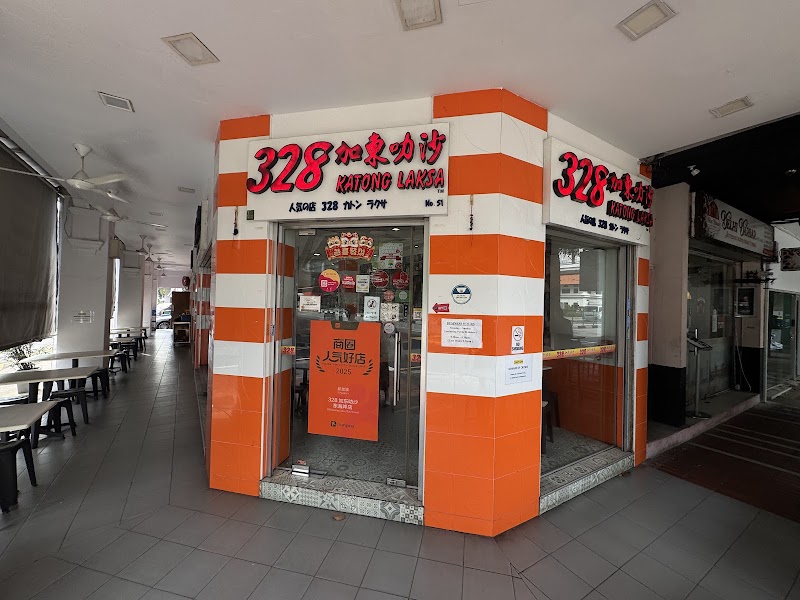
There is no more iconic bowl of food on the East Coast Road than the laksa served at 328 Katong Laksa. The dish is Peranakan-style: a deeply flavoured, coconut-rich prawn broth ladled over rice noodles that have been cut into spoon-sized pieces: a technique unique to Katong laksa that allows you to eat the entire bowl with a single spoon, no chopsticks required. The broth is the centrepiece: a slow-cooked amalgam of coconut milk, dried shrimp, lemongrass, galangal, and a chilli-heavy rempah (spice paste) that achieves a balance of heat, sweetness, and oceanic depth that is difficult to replicate and essentially impossible to hurry.
We have eaten at 328 more times than we can count, at different times of day and on different visits to Singapore. The consistency is remarkable for a hawker-format operation at this price point. The bowl that arrives today tastes the same as the bowl that made the restaurant famous: a tribute to a recipe and a method that has been preserved with genuine care rather than adjusted for scale or convenience. For first-time visitors to Katong, this is the obligatory first stop. For Singaporeans, it is the standard against which every other katong laksa is measured.
📍 Address: 51 East Coast Road, Singapore 428770
🕐 Hours: Mon–Fri 8:30AM–9PM, Sat–Sun 8AM–9PM
"I grew up eating 328 laksa every weekend and I still bring every visitor from overseas here before anywhere else in Singapore. The bowl has not changed in thirty years: same broth, same noodles cut to eat with a spoon, same level of heat. It is one of the few food experiences in Singapore that genuinely earns the word iconic.", Michelle Tan ★★★★★
2. Birds of Paradise, Best Gelato
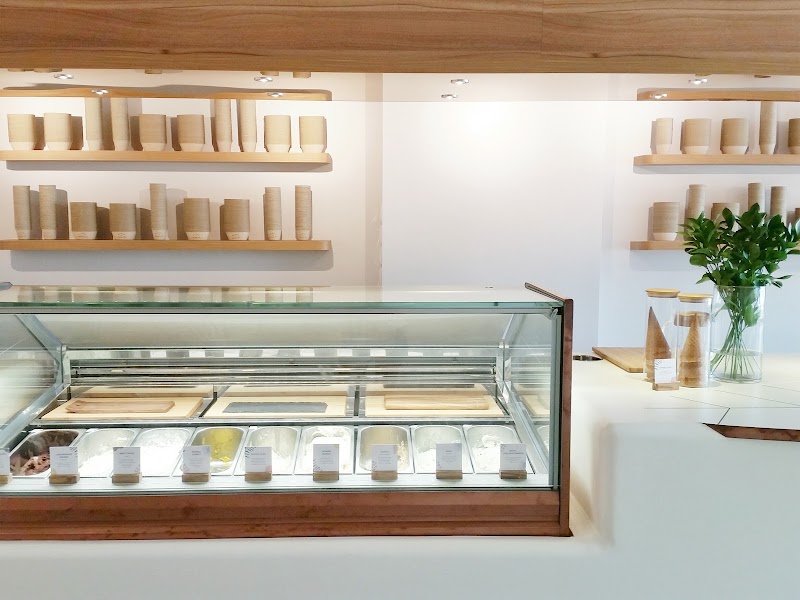
Birds of Paradise, tucked into a narrow shophouse unit at 63 East Coast Road, makes gelato unlike anything else sold in Singapore. The flavours are drawn from botanical and Southeast Asian ingredients: pandan, lychee rose, chrysanthemum, butterfly pea, white chrysanthemum, and seasonal specials that rotate with the availability of fresh ingredients. The texture is dense and clean, with none of the airy filler that characterises supermarket gelato, and each flavour is identifiable on first taste without needing to read the label. This is not novelty gelato; it is the work of a kitchen that has thought seriously about what Southeast Asian ingredients can do in a frozen dessert format.
The shophouse setting on East Coast Road is appropriate: small, quiet, with a short queue that moves quickly and a presentation that is deliberately simple. Birds of Paradise does not need elaborate decor or extensive seating to justify its reputation. The product is sufficiently strong that the experience is defined entirely by the gelato itself. We recommend this as the final stop on any Katong food walk: the flavours are light enough to work after a full meal, and a scoop of pandan or chrysanthemum gelato on a warm Singapore afternoon is one of the neighbourhood's most distinctive experiences. With a rating of 4.5 stars, it is also among the highest-rated stops on the entire East Coast Road strip.
📍 Address: 63 East Coast Road, Singapore 428776
🕐 Hours: Mon–Thu 11AM–10PM, Fri 12PM–10PM, Sat–Sun 11AM–10PM
"Birds of Paradise makes the best gelato I have eaten outside Italy. The pandan flavour in particular is extraordinary: it captures the actual taste of fresh pandan leaf, not an artificial approximation of it. Every flavour we tried was genuinely distinct and genuinely good. The perfect ending to a Katong food walk.", James Hartley ★★★★★
3. Peramakan, Best Fine Dining
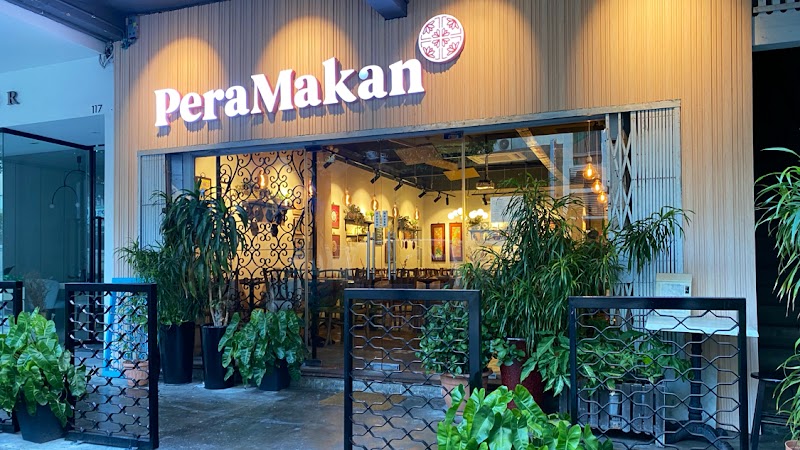
Peramakan at 154 East Coast Road occupies the upper end of the Katong dining spectrum: a modern Peranakan restaurant that applies contemporary fine dining discipline to a cuisine that has historically been served in casual home-style formats. The kitchen takes the full repertoire of Nyonya cooking seriously: ayam buah keluak (chicken braised with the intensely flavoured Indonesian black nut), beef rendang, otah (spiced fish paste grilled in banana leaf), and a dessert section anchored by traditional Peranakan sweets that are rarely executed at this quality level outside a home kitchen. The presentation is precise without being fussy, and the flavour profiles are faithful to the cuisine's traditions while benefiting from the technical consistency that a serious kitchen provides.
For diners who want to understand what Peranakan food actually is: beyond the tourist-facing simplifications that dominate most menus: Peramakan is the most instructive restaurant on this list. The menu includes dishes that do not appear elsewhere in the neighbourhood, and the kitchen's willingness to commit to complex, time-intensive preparations like buah keluak distinguishes it from restaurants that use Peranakan branding while serving a simplified approximation of the cuisine. A 4.3-star rating reflects consistently satisfied diners who recognise the quality level on offer.
📍 Address: 154 East Coast Road, Singapore 428845
🕐 Hours: Tue–Sun 12PM–3PM, 6PM–10PM (closed Mon)
"Peramakan is the best Peranakan restaurant I have eaten at in Singapore. The ayam buah keluak is exceptional: properly bitter and complex in the way the dish should be, not toned down for an audience unfamiliar with the ingredient. The service is knowledgeable and the room feels special without being uncomfortable. This is Peranakan cooking at its best.", Dr. Lim Swee Kiat ★★★★★
4. Chin Mee Chin Confectionery, Best Heritage Kopitiam
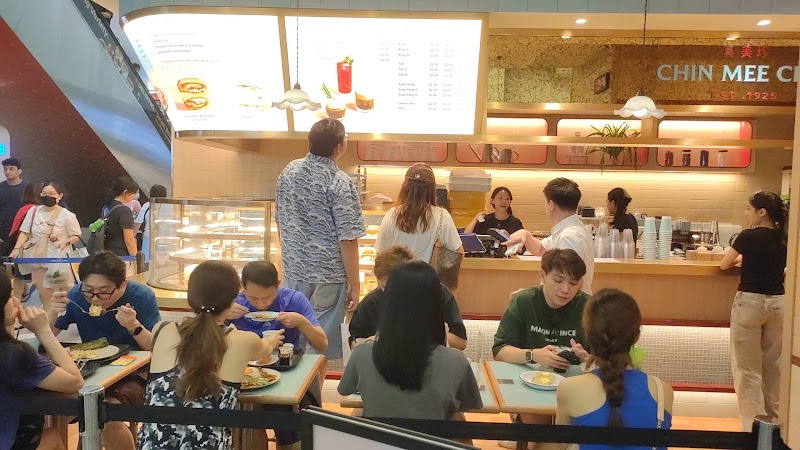
Chin Mee Chin at 204 East Coast Road is among the oldest surviving kopitiams (traditional coffee shops) in Singapore, having served kaya toast and soft-boiled eggs in this same building since 1925. The format is unchanged from the original: thick-cut white bread, toasted on a charcoal grill and spread with house-made kaya (a custard-like jam made from coconut milk, eggs, and pandan), served with a block of cold salted butter and accompanied by soft-boiled eggs seasoned with soy sauce and white pepper. Dark, thick kopi (traditional Singapore coffee brewed from robusta beans roasted with butter and sugar) is the obligatory drink.
The experience at Chin Mee Chin is as much about the setting and the ritual as the food itself. The original marble-topped tables, the wooden chairs worn smooth by decades of use, the queue that forms before opening time on weekends, and the proprietors who have been at this for generations: these elements combine to produce a morning that no newer cafe can approximate regardless of design budget or menu quality. For visitors who want to understand what Singapore's kopitiam culture means, and why local diners feel genuine attachment to these old establishments, Chin Mee Chin provides the most direct possible answer. A 4.3-star rating is, if anything, understated given the place's cultural significance.
📍 Address: 204 East Coast Road, Singapore 428903
🕐 Hours: Tue–Sun 8:30AM–4PM (closed Mon)
"Chin Mee Chin is a national treasure. The kaya is made in-house and tastes completely different from anything in a jar. The toast comes out perfectly charcoal-grilled. The kopi is real kopi, not a cafe approximation. And the setting: those marble tables, those old wooden chairs, the morning light coming through the windows: is irreplaceable. This is what Singapore's kopitiam culture means.", Aunty Rose Ng ★★★★★
5. Guan Hoe Soon, Best Classic Peranakan
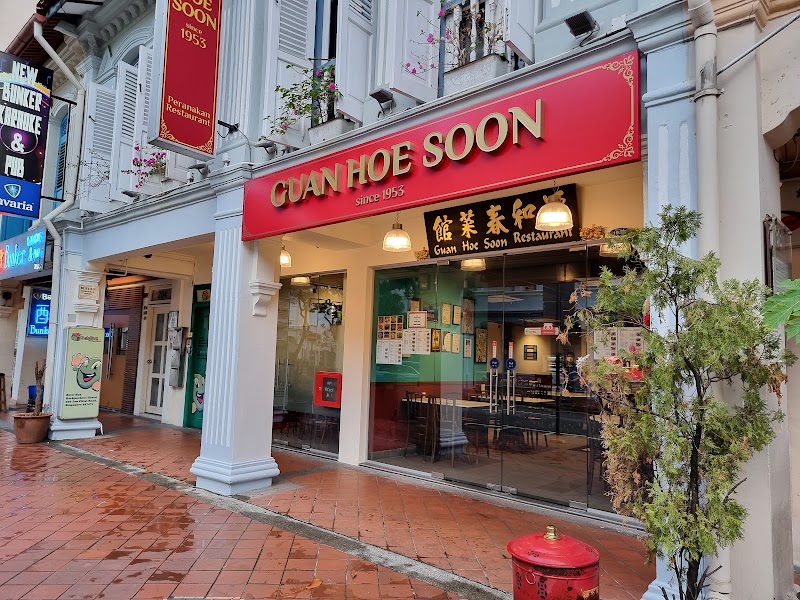
Guan Hoe Soon at 214 Joo Chiat Road is the oldest Peranakan restaurant in Singapore still operating under its original family ownership, having opened in 1953. Seven decades later, the restaurant continues to serve the Nyonya dishes: ngoh hiang (five-spice pork rolls), jiu hoo char (stir-fried jicama and cuttlefish), pongteh (pork and potatoes braised in fermented bean paste), and prawn sambal: that made it a neighbourhood institution and, eventually, a pilgrimage destination for Singaporeans who grew up eating Peranakan food and want the version they remember. The kitchen does not modernise or reinterpret; it executes the original recipes with the same fidelity that has sustained the restaurant across its seven decades.
Guan Hoe Soon's significance extends beyond the food. It represents a form of culinary continuity that is genuinely rare in Singapore's redeveloped, ever-changing restaurant landscape. To eat here is to eat in a space that has been serving the same community, with the same food, across generations of Singaporean life. For food tourists interested in what authentic Peranakan home cooking tastes like: not a hotel buffet approximation of it: Guan Hoe Soon is the most honest answer in the neighbourhood. With a 4.1-star rating across a loyal and discerning customer base, the restaurant earns its reputation entirely through the food on the plate.
📍 Address: 214 Joo Chiat Road, Singapore 427483
🕐 Hours: Tue–Sun 11AM–3PM, 6PM–9PM (closed Mon)
"My grandmother used to bring me here as a child and the jiu hoo char tastes exactly the same fifty years later. Guan Hoe Soon is not trying to be modern or to attract a new audience through novelty. It is doing what it has always done, better than anyone else in Singapore. That is its entire proposition and it is enough.", Mrs. Phua Bee Hoon ★★★★★
6. Kim Choo Kueh Chang, Best Peranakan Kueh
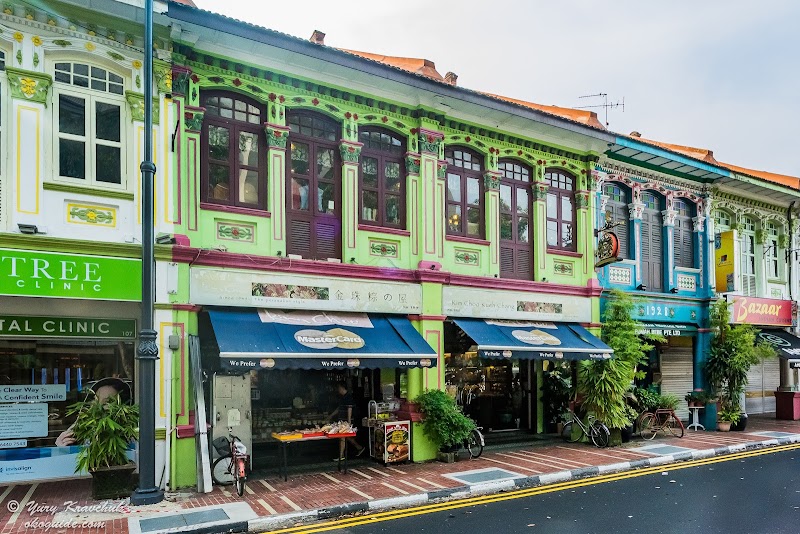
Kim Choo Kueh Chang on East Coast Road is Katong's most established Peranakan kueh and rice dumpling specialist: a family business that has been producing handmade Peranakan delicacies since 1945. The kueh (traditional Peranakan cakes and pastries) are made fresh daily: kueh lapis (layered rice cake), ang ku kueh (red tortoise cake filled with mung bean paste), kueh dadar (pandan crepes filled with grated coconut), and the bak chang rice dumplings that the shop is most famous for: glutinous rice wrapped in bamboo leaves around a filling of braised pork, mushrooms, and chestnuts that takes hours to prepare properly.
What distinguishes Kim Choo from the factory-produced Peranakan kueh sold in supermarkets and hotel lobbies is the handmade detail. Each kueh is wrapped, shaped, and filled individually. The textures are correct: the lapis is genuinely layered, the ang ku kueh has the right sticky-soft exterior: and the flavours are derived from real pandan, coconut, and bean paste rather than artificial flavourings. The shop also functions as a small Peranakan cultural space, with displays explaining the history and significance of each kueh type, making it an educational stop as well as a culinary one. A 4.2-star rating reflects consistent satisfaction from diners who know the difference.
📍 Address: 109 East Coast Road, Singapore 428800
🕐 Hours: Mon–Sun 9AM–9PM
"Kim Choo makes the best bak chang in Singapore. The ratio of glutinous rice to filling is correct, the braised pork has real depth, and the bamboo leaf imparts the fragrance that tells you these are made properly. I buy a box every time I am in Katong and they never last more than a day.", Bernard Goh ★★★★★
7. Cumi & Cabe, Best Indonesian Food
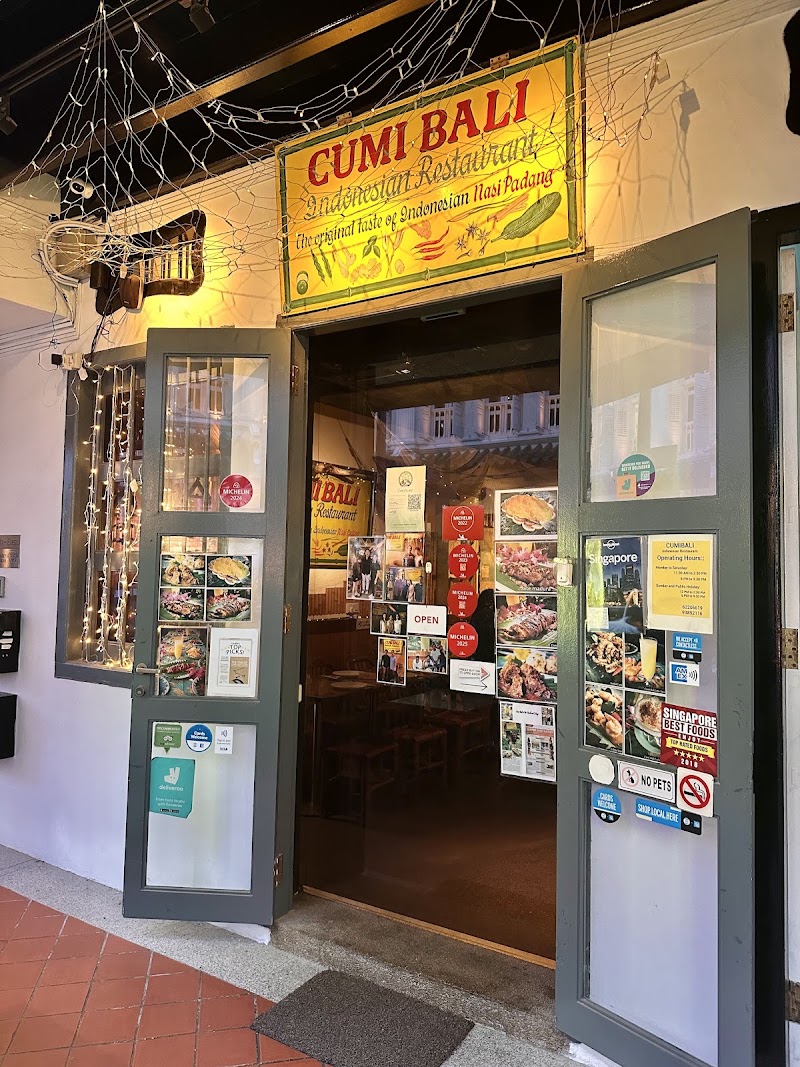
Cumi & Cabe at Joo Chiat Place is one of the most quietly celebrated restaurants in the Katong-Joo Chiat corridor: an Indonesian restaurant with a fiercely loyal local following and a 4.4-star rating that reflects consistent quality rather than fashionable popularity. The name translates to "squid and chilli" in Bahasa Indonesia, which signals the kitchen's orientation: fresh seafood and robust chilli preparations, executed in the Padang and Javanese styles that dominate the best Indonesian home cooking. The cumi hitam (squid in black ink sauce), the ayam penyet (smashed fried chicken in sambal), and the ikan bakar (grilled fish) are all dishes we recommend without reservation.
The restaurant sits at the intersection of the Peranakan heritage neighbourhood and the larger Indonesian community that has historically called Joo Chiat home: Peranakan cuisine itself derives from centuries of Chinese-Malay-Indonesian cultural exchange, and a good Indonesian restaurant in this neighbourhood feels like the natural continuation of that culinary thread rather than a departure from it. Cumi & Cabe is not a tourist destination; it is a local favourite that happens to be excellent, and that combination is exactly what the best food in Katong should include.
📍 Address: Joo Chiat Place, Singapore 427775
🕐 Hours: Mon–Sun 11AM–10PM
"Cumi & Cabe is the kind of restaurant that Katong regulars treat as their secret. The cumi hitam is extraordinary: rich, slightly sweet, intensely savoury: and the ayam penyet is the best version I have eaten outside Jakarta. It is not trying to be anything other than excellent Indonesian food, and it achieves that completely.", Dewi Santoso ★★★★★
8. The Peranakan, Best Nyonya Dinner
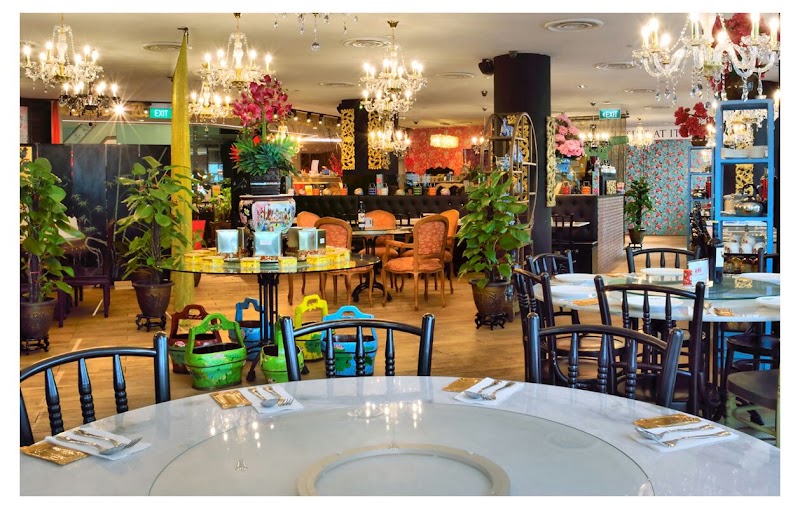
The Peranakan is a Katong-area Nyonya restaurant that occupies the formal end of the neighbourhood's dining spectrum: an elegant setting for a sit-down Nyonya dinner that communicates the full range and complexity of Peranakan cuisine across a well-constructed menu. The kitchen works from the Nyonya (the female side of the Peranakan culinary tradition, and the source of most of the iconic dishes) recipe canon: buah keluak, babi pongteh, sambal udang (prawn sambal), perut ikan (spiced fish stomach curry), and a selection of Nyonya desserts that includes the often-overlooked candied fruits and kueh that complete a proper Peranakan meal. The service matches the setting: attentive, informed, and capable of guiding diners who are encountering Peranakan cuisine for the first time through the menu with genuine knowledge.
For diners visiting Katong specifically to understand Peranakan food culture: rather than simply to eat one iconic dish and leave: The Peranakan provides the most complete immersion available in the neighbourhood. A 4.3-star rating across a discerning customer base confirms that the quality matches the ambition.
📍 Address: Katong area, Singapore
🕐 Hours: Tue–Sun 12PM–3PM, 6PM–10PM (closed Mon)
"The Peranakan gave me the best introduction to Nyonya cooking I could have asked for. The staff explained each dish with genuine enthusiasm rather than rote recitation, the babi pongteh had the perfect fermented bean depth, and the buah keluak was the first version I have eaten that I would describe as properly cooked. For a formal Peranakan dinner in Katong, this is the recommendation.", Sarah Thompson ★★★★★
9. Smokey's BBQ, Best Western / BBQ
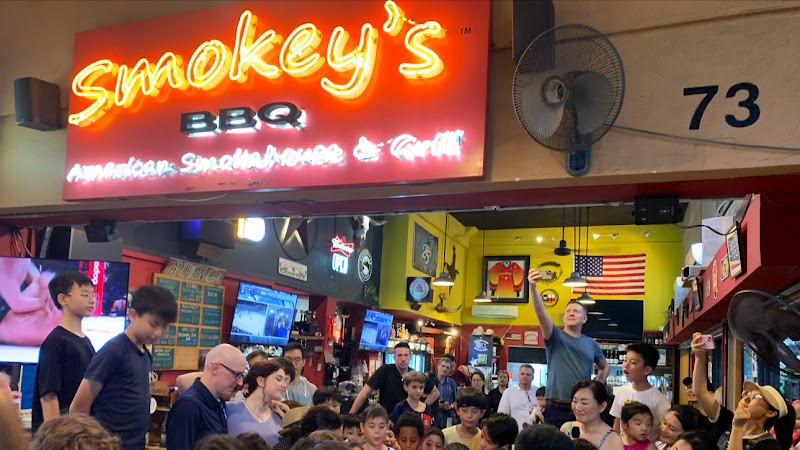
Smokey's BBQ on East Coast Road is the most prominent non-Asian dining option in the Katong-Joo Chiat strip: an American-style BBQ restaurant that has built a loyal following in the neighbourhood for its slow-smoked ribs, pulled pork, and brisket. With a 4.3-star rating, Smokey's earns its place on this list not through novelty: there is nothing unexpected about American BBQ: but through the quality of execution. The ribs are smoked properly, falling off the bone with the right smokiness and without the sweetness that characterises mediocre BBQ sauce. The brisket holds its moisture. The sides are competent rather than an afterthought.
In a neighbourhood defined by Peranakan heritage and hawker culture, a quality American BBQ restaurant serves a practical function: it provides a natural option for mixed groups where not everyone wants Nyonya food, for families with children who are less adventurous eaters, and for diners who want a substantial Western meal without travelling back to the CBD or Orchard. Smokey's fulfils this role with more quality than the neighbourhood requires, which is why it has retained its local following across several years of competition from new entrants to the East Coast food scene.
📍 Address: East Coast Road, Singapore 428000
🕐 Hours: Mon–Sun 12PM–10PM
"Smokey's BBQ is the restaurant I take visitors who are not ready for Peranakan food. The ribs are genuinely good: real smoke, real time, real flavour: and the portions are generous. In a neighbourhood this focused on Nyonya and hawker food, having a quality BBQ option on the same strip is more valuable than it sounds.", Daniel Lim ★★★★★
10. Cafe Peranakan, Best Heritage Cafe
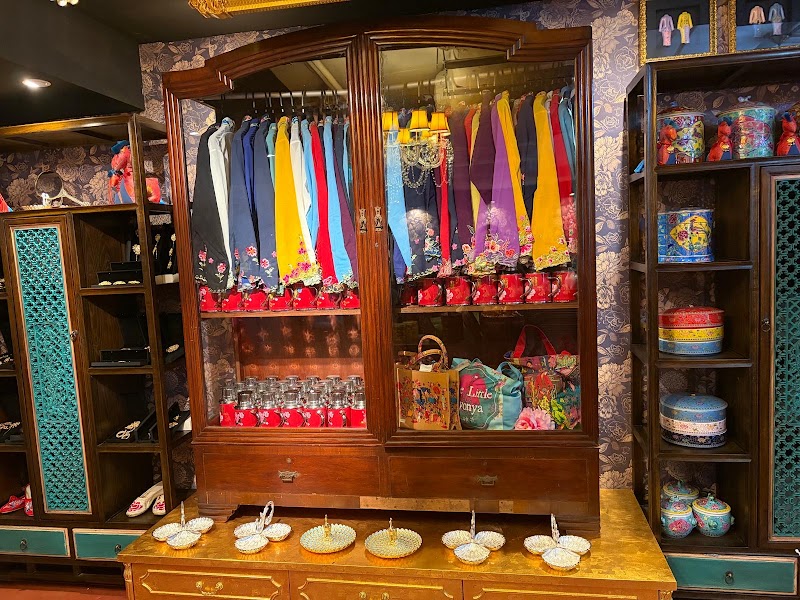
Cafe Peranakan at 210 East Coast Road occupies the intersection of the heritage kopitiam and the modern cafe: a Peranakan-themed cafe in a restored shophouse setting that serves both traditional Peranakan dishes and cafe-format food and drinks in a space decorated with the distinctive Peranakan ceramic tiles, rattan furniture, and batik fabric that define the neighbourhood's visual identity. The food spans a range from traditional Nyonya dishes at lunch and dinner to lighter cafe fare and Peranakan-flavoured cakes and drinks throughout the day. A 4.2-star rating reflects consistent satisfaction from a broad visitor profile that includes both food tourists and local regulars.
What makes Cafe Peranakan particularly useful for first-time visitors to Katong is the accessibility of the format: the menu is more approachable than a full Nyonya restaurant, the service is geared toward explaining the food to newcomers, and the setting communicates the visual and cultural context of the Peranakan neighbourhood in a way that enriches the dining experience beyond just the plate. It is not the most technically demanding kitchen on this list, but it delivers genuine quality within its format and provides an entry point to Peranakan food culture that is welcoming rather than intimidating.
📍 Address: 210 East Coast Road, Singapore 428903
🕐 Hours: Mon–Sun 11AM–10PM
"Cafe Peranakan was the perfect introduction for my parents who had never tried Nyonya food before. The staff were patient and informative, the food was genuinely good rather than tourist-grade, and the setting: all those beautiful Peranakan tiles and rattan furniture: set the right context for understanding what the neighbourhood is. We came back for dinner the same week.", Hannah Yeo ★★★★★
11. Penny University, Best Specialty Coffee
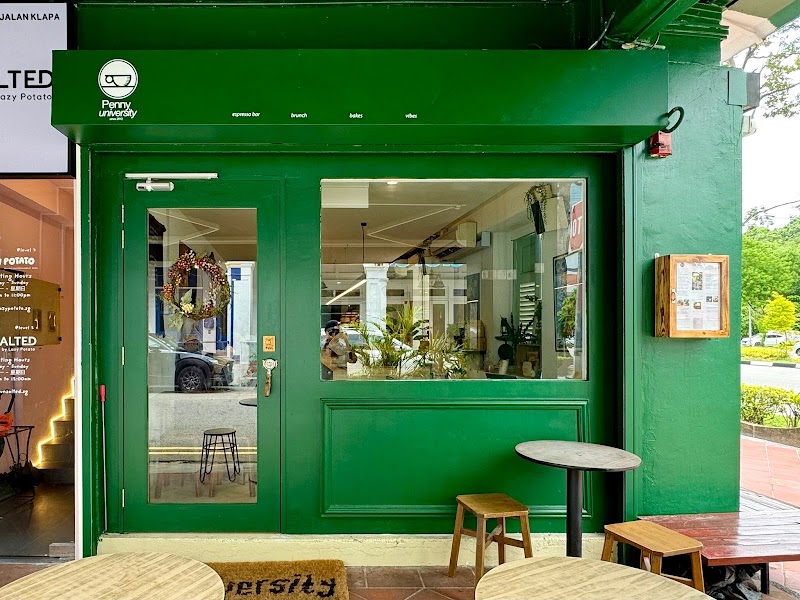
Penny University on East Coast Road is Katong's answer to the specialty coffee movement: a coffee shop that takes its sourcing and brewing seriously, serving single-origin espresso and filter coffee in a setting that balances neighbourhood warmth with the technical credibility that serious coffee drinkers require. The 4.4-star rating places it among the highest-rated stops on the East Coast Road strip, and the loyal regular following it has built reflects the quality consistency that defines a genuinely good specialty coffee operation. Food accompaniments: typically pastries, cakes, and light bites: are sourced and executed to the same standard as the coffee, avoiding the common failing of great-coffee-poor-food that undermines many specialty cafes.
In a neighbourhood where the dominant food tradition is defined by centuries-old recipes and heritage kopitiams, a quality modern specialty cafe provides a useful punctuation mark on any food walk. Penny University is the natural choice for the coffee break between stops: after the morning laksa and before the afternoon kueh, or as the final destination before heading home. The name itself is a reference to the original function of the London coffeehouse as a "penny university": a place where the price of a coffee bought you access to conversation and ideas: which signals an operator who has thought about what a good coffee shop actually is.
📍 Address: East Coast Road, Singapore 428000
🕐 Hours: Mon–Sun 8AM–6PM
"Penny University is the best coffee I have found on the East Coast strip. The single-origin filter changes regularly, the baristas know their sourcing, and the space is comfortable without being precious about it. A necessary stop on any Katong food walk for anyone who cares about coffee.", Alex Nguyen ★★★★★
12. Joo Chiat Complex Food Centre, Best Hawker Centre
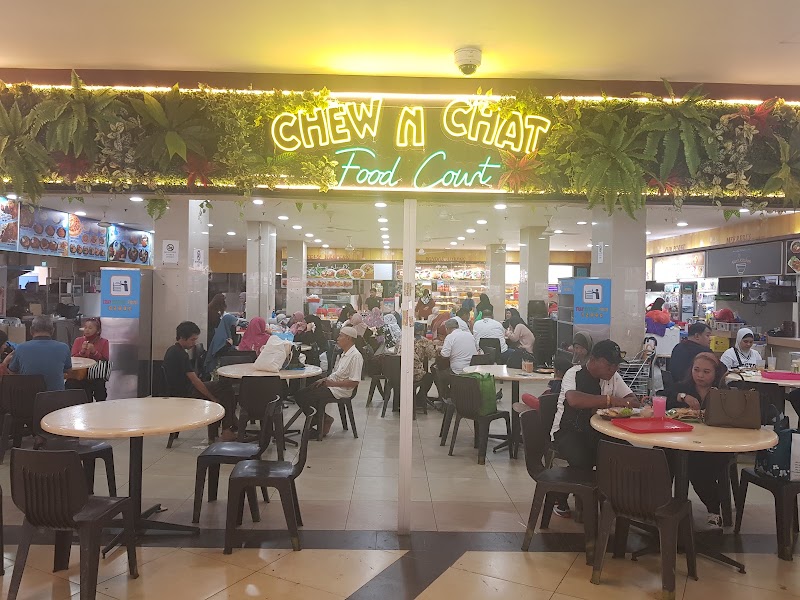
Joo Chiat Complex Food Centre, housed within the Joo Chiat Complex on Joo Chiat Road, is the neighbourhood's primary hawker centre: the covered food court where the working Joo Chiat community has eaten lunch since the complex was built. It is the most locally oriented stop on this list: fewer tourists find their way here compared to the East Coast Road shophouses, and that gap between the tourist map and the actual quality of food available is the opportunity it represents. The hawker centre's stalls cover the full Singapore hawker canon: char kway teow (stir-fried flat noodles with cockles), oyster omelette, Hokkien mee, satay, and various curry and rice options, all prepared by stallholders who have been at their specific stations for years and whose regulars return by habit rather than by discovery.
The 4.1-star overall rating for the complex as a whole understates the quality of the best individual stalls. Any hawker centre requires navigation: not every stall is equal, and finding the right char kway teow or the right oyster omelette requires either local knowledge or a willingness to eat more than one meal's worth in a single visit. We recommend arriving hungry, ordering small across multiple stalls, and paying attention to which counters have the longest queue of lunch workers from the surrounding offices: that queue is the most reliable quality signal in any Singapore hawker centre.
📍 Address: 2 Joo Chiat Road, Singapore 427982
🕐 Hours: Mon–Sun 6AM–10PM (individual stall hours vary)
"Joo Chiat Complex is where we go when we want to eat like a Joo Chiat local rather than like a tourist. The char kway teow is some of the best I have eaten in Singapore and at hawker prices. Go before 12:30pm before the office lunch crowd fills every table.", Kevin Ong ★★★★★
How They Compare
| Restaurant / Stall | Rating | Cuisine | Must-Order | Price Range | Address |
|---|---|---|---|---|---|
| 328 Katong Laksa | 4.2 ★ | Peranakan hawker | Katong laksa | $ | 51 East Coast Rd |
| Birds of Paradise | 4.5 ★ | Botanical gelato | Pandan / chrysanthemum | $ | 63 East Coast Rd |
| Peramakan | 4.3 ★ | Modern Peranakan | Ayam buah keluak | $$$ | 154 East Coast Rd |
| Chin Mee Chin Confectionery | 4.3 ★ | Heritage kopitiam | Kaya toast + kopi | $ | 204 East Coast Rd |
| Guan Hoe Soon | 4.1 ★ | Classic Peranakan | Jiu hoo char, babi pongteh | $$ | 214 Joo Chiat Rd |
| Kim Choo Kueh Chang | 4.2 ★ | Peranakan kueh | Bak chang, kueh lapis | $ | 109 East Coast Rd |
| Cumi & Cabe | 4.4 ★ | Indonesian | Cumi hitam, ayam penyet | $$ | Joo Chiat Place |
| The Peranakan | 4.3 ★ | Nyonya fine dining | Buah keluak, perut ikan | $$$ | Katong |
| Smokey's BBQ | 4.3 ★ | American BBQ | Slow-smoked ribs | $$ | East Coast Rd |
| Cafe Peranakan | 4.2 ★ | Heritage cafe | Nyonya cakes, laksa | $$ | 210 East Coast Rd |
| Penny University | 4.4 ★ | Specialty coffee | Single-origin filter | $ | East Coast Rd |
| Joo Chiat Complex Food Centre | 4.1 ★ | Singapore hawker | Char kway teow, oyster omelette | $ | 2 Joo Chiat Rd |
A Katong Food Walk: The Perfect Route
Katong and Joo Chiat are among the most walkable food neighbourhoods in Singapore: nearly all twelve stops on this list sit within a 1.5 km radius, and a well-planned food walk can cover six or seven stops across three to four hours without requiring a taxi. Here is the itinerary we recommend for a half-day Katong food experience.
8:30AM: Start with kaya toast at Chin Mee Chin Confectionery (204 East Coast Road)
Arrive before 9AM to beat the weekend queue. Order kaya toast with cold butter, two soft-boiled eggs, and a kopi. The charcoal grill, the marble tables, and the morning light through the old shophouse windows set the right tone for everything that follows. Allow 30–45 minutes.
9:30AM: Browse Peranakan kueh at Kim Choo Kueh Chang (109 East Coast Road)
A short walk east along East Coast Road brings you to Kim Choo. Buy a small selection of kueh to eat as you walk: the kueh dadar and the ang ku kueh are the most approachable for first-timers. Spend 15–20 minutes browsing the display and the small cultural exhibits inside.
10:30AM: The main event: laksa at 328 Katong Laksa (51 East Coast Road)
Head back east to 51 East Coast Road. At 10:30AM the queue is manageable. Order the laksa: the small is sufficient for most appetites given the stops before and after: and eat it with the spoon provided in the Katong tradition. Allow 30–45 minutes.
11:30AM: Walk Joo Chiat Road south toward Guan Hoe Soon (214 Joo Chiat Road)
Turn onto Joo Chiat Road and walk the strip: the Peranakan terrace houses on this stretch are among the most photogenic in Singapore, painted in the distinctive pastels that characterise the neighbourhood. Stop at Guan Hoe Soon for a small plate of ngoh hiang or jiu hoo char if appetite allows.
1:00PM: Lunch at Cumi & Cabe (Joo Chiat Place)
By now you are ready for a proper sit-down meal. Cumi & Cabe handles the midday hunger with cumi hitam and ayam penyet that are satisfying without being heavy. This is the meal around which the rest of the walk is structured.
2:30PM: Coffee at Penny University (East Coast Road)
Walk back to East Coast Road for a coffee break at Penny University. The single-origin filter is the order. The 30-minute sit gives your digestion time to catch up.
3:00PM: Gelato at Birds of Paradise (63 East Coast Road)
The final sweet stop of the walk. A single scoop of pandan or chrysanthemum gelato is the perfect ending: light, cool, and unlike anything else in Singapore.
The total walk covers approximately 2.5 km of pavement along East Coast Road and Joo Chiat Road, through blocks of Peranakan shophouses, past the Sri Senpaga Vinayagar Temple on Ceylon Road, and alongside the neighbourhood's mix of local provision shops, antique dealers, and boutique cafes. Allow a buffer for browsing and photography: the neighbourhood rewards unhurried exploration.
Katong vs Joo Chiat: What's the Difference?
The names Katong and Joo Chiat are often used interchangeably by Singaporeans and visitors, but they technically refer to adjacent areas rather than the same place. Understanding the distinction helps with navigation.
Katong refers broadly to the residential and commercial area centred on East Coast Road and the streets between it and the sea. The name is associated particularly with the stretch of East Coast Road between the Katong Shopping Centre and Parkway Parade: the section that contains 328 Katong Laksa, Birds of Paradise, Chin Mee Chin Confectionery, and most of the famous Peranakan shophouse blocks. When Singaporeans say "going to Katong for food," they almost always mean this East Coast Road corridor.
Joo Chiat refers specifically to the area centred on Joo Chiat Road, which runs south from Geylang Road down to East Coast Road. The neighbourhood is characterised by the Peranakan terrace houses along the main road, a dense concentration of independent restaurants and cafes, and the Joo Chiat Complex which contains the hawker centre on this list. Guan Hoe Soon and Cumi & Cabe are on the Joo Chiat side of the corridor.
In practice, the two areas are separated by a ten-minute walk at most, and the food culture flows continuously between them. The East Coast Road shophouse strip and the Joo Chiat Road terrace house strip are the two poles of the same neighbourhood: a visitor covering one without the other is missing half the experience. When planning a Katong food visit, think of the entire Katong-Joo Chiat corridor as a single destination.
Want to be featured?
Get your business listed as a top pick and reach thousands of Singapore customers actively searching for your services.
Frequently Asked Questions
What is katong laksa?
Katong laksa is a specific regional variant of Singapore laksa (spiced coconut-curry noodle soup) that originated in the Katong neighbourhood. It is distinguished from other laksa styles by two features: the broth is a richer, more coconut-forward preparation with a heavier use of dried prawns and a spice paste built around belacan (fermented shrimp paste) and dried chilli, and the rice noodles are cut into short spoon-length pieces so that the entire bowl can be eaten with a single spoon. This spoon-cut noodle technique is attributed to the Peranakan tradition of the Katong neighbourhood. The most famous version is served at 328 Katong Laksa at 51 East Coast Road, which has become the de facto reference point for the dish.
What is Peranakan food?
Peranakan food (also called Nyonya food) is the cuisine that developed among the Peranakan Chinese: the descendants of Chinese migrants who settled in the Malay Archipelago from the 15th century onward and intermarried with local Malay communities, producing a distinct cultural group with its own language (Baba Malay), material culture, and cuisine. Peranakan food blends Chinese cooking techniques and ingredients: pork, soy sauce, preserved vegetables: with Malay aromatics and preparations: lemongrass, galangal, belacan, coconut milk, pandan. Iconic dishes include ayam buah keluak (chicken with Indonesian black nut), babi pongteh (pork braised in fermented bean paste), laksa, otah (grilled fish paste in banana leaf), and a range of colourful kueh (cakes). Katong and Joo Chiat are the neighbourhood most identified with living Peranakan culture in Singapore.
Is Katong worth visiting just for food?
Yes: Katong and Joo Chiat offer one of the most rewarding half-day food itineraries in Singapore, particularly for visitors who want to experience local food culture beyond the central tourist zones. The neighbourhood is accessible by taxi or bus from the CBD (approximately 15–20 minutes), the entire food strip is walkable, and the concentration of heritage architecture, independent restaurants, and culturally significant food stops makes it a richer experience than most food parks or themed food markets. Even a three-hour visit covering five or six stops on the East Coast Road-Joo Chiat corridor will provide more genuine insight into Singapore's culinary identity than a week of eating in food courts and hotel restaurants.
How do I get to Katong from the CBD?
From the CBD or Marina Bay, the most direct options are taxi or ride-hailing (Grab), which typically take 15–20 minutes and cost SGD 10–18 depending on traffic. Bus services along East Coast Road include services 16, 33, and 196 from the city area. There is no MRT station directly in Katong, but the Dakota MRT station on the Circle Line is a 15–20 minute walk from the main East Coast Road food strip, making it a reasonable option for those who prefer public transport. For the Joo Chiat end of the neighbourhood, the Paya Lebar MRT interchange (East-West and Circle lines) is approximately 10 minutes on foot from Joo Chiat Road.
What is the best time to visit Katong for food?
Weekday mornings (before 11AM) offer the most comfortable experience: queues at 328 Katong Laksa and Chin Mee Chin Confectionery are manageable, the neighbourhood is quieter, and the heritage streets are pleasant in the morning light. Weekend mornings are busier but still enjoyable if you arrive before 10AM. Weekend lunch from 12PM to 2PM is the peak crowding period and generates the longest queues at all the main spots. If visiting on a weekend, we recommend the food walk itinerary above starting at 8:30AM, which puts you ahead of the main crowds at every stop.
Verdict
328 Katong Laksa is the essential first stop: not because it is the most technically complex meal on this list, but because it is the dish that defines the neighbourhood's food identity and provides the reference point from which everything else in Katong is understood. For fine dining, Peramakan is the clear recommendation, delivering modern Peranakan cooking at a standard that earns its place among Singapore's best restaurants at any cuisine level. For heritage experience, Chin Mee Chin Confectionery and Guan Hoe Soon provide the most direct connection to what this neighbourhood has been for generations of Singaporeans. And for the single best sweet in the neighbourhood, Birds of Paradise offers a gelato experience that is genuinely unlike anything else on the island. Katong is a neighbourhood where the best food in Singapore is available within a fifteen-minute walk: plan for half a day, arrive with appetite, and leave by a different route than you came so you see more of the terrace houses.