Singapore has one of the most serious Japanese restaurant scenes outside Japan. The density of Michelin-starred sushi counters, the depth of the omakase culture, and the willingness of Singapore diners to pay for genuine quality have created an environment where world-class sushi chefs choose to open here ahead of other major Asian capitals. We visited over 35 sushi restaurants across the island: from two-Michelin-star omakase destinations to mid-range sushi bars and casual kaiten operations: ranking each on fish freshness and provenance, rice seasoning and temperature, chef technique and knife work, atmosphere and service, and value relative to the experience delivered. This list covers the full spectrum, from the finest Edomae counters to the best budget options, so that every level of sushi interest has a clear recommendation.
Key Takeaways
- Best overall: Shinji by Kanesaka at Carlton Hotel and St Regis, 2 Michelin stars, the most authentic Edo-style sushi counter in Southeast Asia
- Best omakase value: Teppei Japanese Restaurant on Club Street, beloved for accessible omakase at multiple price points that punch well above their cost
- Best single chef experience: Sushi Kimura at Mandarin Gallery, 1 Michelin star, where Chef Kimura's Edomae precision is apparent in every nigiri
- Best kaiten: Genki Sushi at multiple outlets, a reliable, well-run conveyor belt operation with the widest selection at the lowest per-plate price
- Most creative: Mitzo at Grand Park Orchard, where modern Japanese-Cantonese fusion produces sushi rolls unlike anything at a traditional counter
- Omakase dining in Singapore typically costs SGD 150–350 per person for a full seasonal menu at a Michelin-recognised restaurant; mid-tier omakase at Teppei and Tatsuya runs SGD 80–150; kaiten sushi at Genki and Sakae costs SGD 20–50 per person
- Advance booking is essential at Shinji by Kanesaka, Shoukouwa, and Sushi Kimura: seats at peak dining times are reserved weeks ahead; walk-ins succeed most reliably at the casual end of this list
⭐ Top Pick
Shinji by Kanesaka
Pros
- ✓Two Michelin stars maintained across both the Carlton Hotel and St Regis outlets: the only sushi restaurant in Singapore to hold this distinction, and a reliable signal of the technical standard at the counter
- ✓Edo-style sushi executed with the precision of the Kanesaka lineage in Tokyo: nigiri formed with a light, airy hand, vinegar-seasoned rice at perfect body temperature, and fish sourced and aged with the seriousness that the style demands
- ✓The counter setting: intimate, unhurried, and focused entirely on the interaction between chef and diner: creates a sushi experience that is fundamentally different from the group dining format of most Singapore restaurant visits
- ✓Both outlets maintain separate waiting lists and staff training to Kanesaka standards, meaning the quality is consistent across venues rather than concentrated at a single location
Cons
- ✗Omakase pricing at the two-Michelin-star level: SGD 250–500 per person depending on the seasonal menu chosen: is a genuine financial commitment that places Shinji by Kanesaka outside the reach of casual visits for most diners
- ✗Reservations are typically required weeks in advance for Friday and Saturday evening seatings; last-minute bookings succeed only for weekday lunch or when cancellations become available
How We Ranked These Sushi Restaurants
We evaluated every restaurant across five criteria weighted to reflect what actually separates great sushi from merely acceptable sushi. Fish freshness and provenance carried the most weight: the source, handling, and ageing of the fish is the factor no amount of technique can compensate for if it is wrong. Rice seasoning and temperature was evaluated independently, because properly prepared shari (sushi rice) seasoned with the correct rice vinegar blend and served at the precise body-temperature warmth is as demanding a technical discipline as the fish preparation itself. Chef technique covered knife skill, nigiri formation pressure, and the consistency of execution across the full menu. Atmosphere and service acknowledged that the dining environment shapes the experience at a sushi counter in ways that do not apply to ramen or hawker food. Value was assessed relative to the experience delivered at each price tier rather than as an absolute comparison across radically different restaurant types. Kaiten and casual chains were evaluated on their own terms: consistency, selection, and value per plate: not against Michelin-star omakase standards.
Our Top Picks
1. Shinji by Kanesaka: Singapore's Finest Edo-Style Sushi
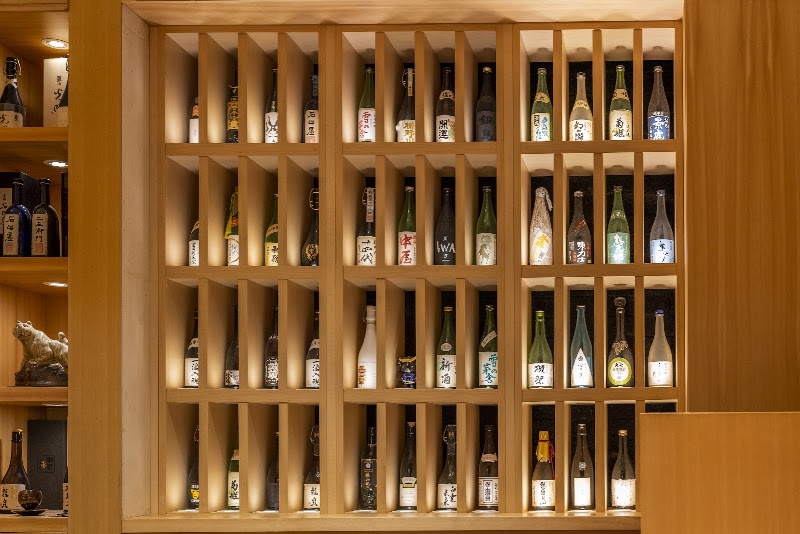
Shinji by Kanesaka holds two Michelin stars across its Carlton Hotel and St Regis outlets and remains the clearest expression of authentic Edomae sushi available in Singapore or, arguably, in any Southeast Asian city. The restaurant is an extension of the Kanesaka lineage in Tokyo: a sushi house that trained its chefs in the Edo tradition, where every element of the meal from the shari temperature to the ageing time of each fish is determined by accumulated technical knowledge rather than intuition or approximation. The nigiri at Shinji is formed with a deliberately light pressure that creates a structure airy enough to fall apart gently on the palate rather than presenting as a compact block of rice with fish draped over it: a distinction that separates authentic Edomae technique from the imitative versions that populate lesser counters. The fish selection rotates with Japanese seasonal availability, sourced through premium channels that give the kitchen access to the same market-quality product that the Tokyo original works with. At 4.5 stars, the sustained quality across both Singapore outlets over multiple years of operation is the most reliable endorsement available for a two-Michelin-star sushi counter in this market.
📍 Address: 76 Bras Basah Rd, Carlton Hotel Singapore, Singapore 189558
🌐 Website: shinjibykanesaka.com
"Shinji is the only sushi counter in Singapore that I would put alongside the best of Tokyo. The nigiri is formed with a lightness and precision that takes years to develop: you can feel the technique in every piece. The rice temperature is perfect every single time. Two Michelin stars is a correct assessment. This is the gold standard for sushi in Southeast Asia.", Haruto Yamada ★★★★★
2. Shoukouwa: Two Michelin Stars at One Fullerton
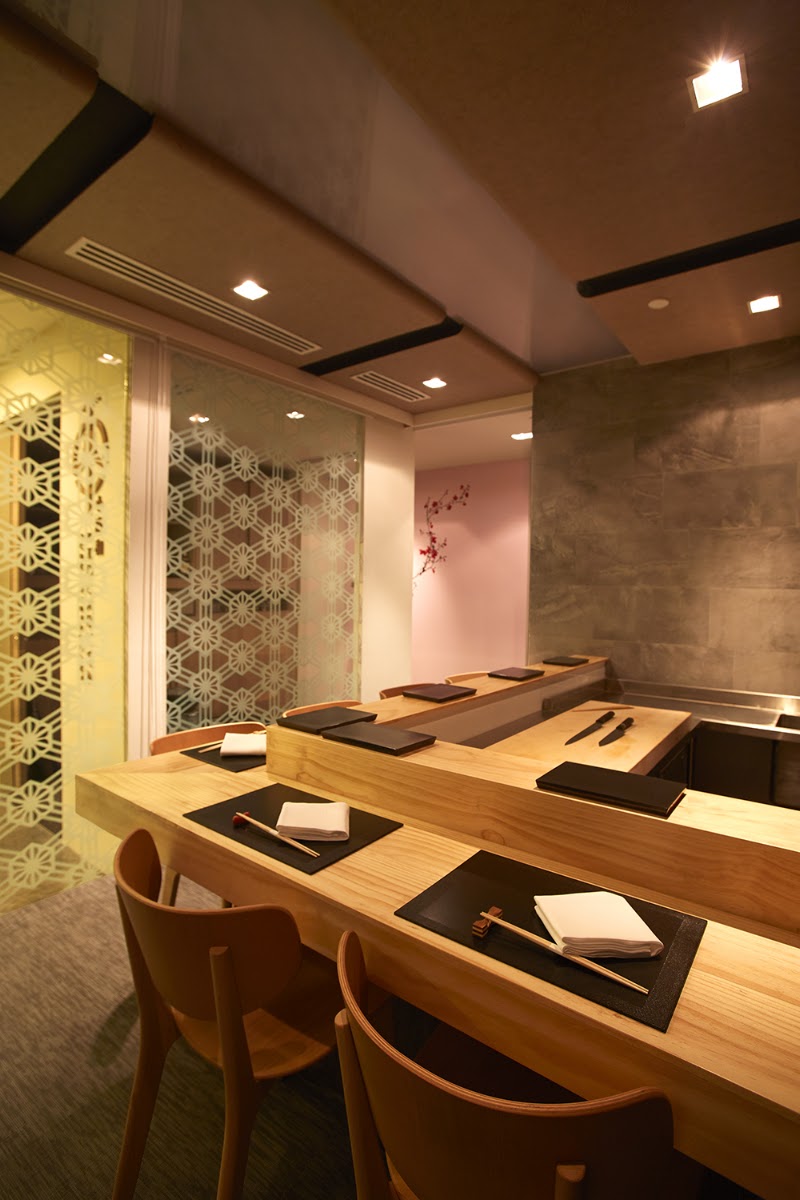
Shoukouwa at One Fullerton is the second of Singapore's two-Michelin-star sushi restaurants and occupies a different philosophical position from Shinji by Kanesaka: where Shinji operates as an extension of an established Tokyo lineage, Shoukouwa is a Singapore-anchored restaurant that sources its fish seasonally from Tsukiji and Toyosu and builds its menu around the rhythms of Japanese seasons rather than a fixed house style. The result is a counter where the omakase changes more dynamically across the year, with each seasonal visit producing a meaningfully different set of nigiri and tsumami (appetiser courses). The shari at Shoukouwa is notable for its vinegar balance: a red vinegar blend that produces a darker, more complex rice seasoning than the standard white rice vinegar used at most sushi restaurants, a characteristic of older Edo-style houses in Tokyo. At 4.4 stars, Shoukouwa's consistent Michelin recognition and the quality of its seasonal sourcing make it the natural complement to Shinji for diners who want to explore both expressions of Michelin-level sushi in Singapore.
📍 Address: 1 Fullerton Rd, #02-02A One Fullerton, Singapore 049213
🌐 Website: shoukouwa.com.sg
"Shoukouwa is the restaurant that made me understand what seasonal sushi actually means. Every visit in a different month produces a different menu: different fish, different preparations, a different rhythm. The red vinegar shari is complex and distinctive. The Marina Bay setting with water views is a bonus that does not diminish the food. One of Singapore's best dining experiences in any category.", Mei Lin Chan ★★★★★
3. Sushi Kimura: Edomae Mastery at Mandarin Gallery
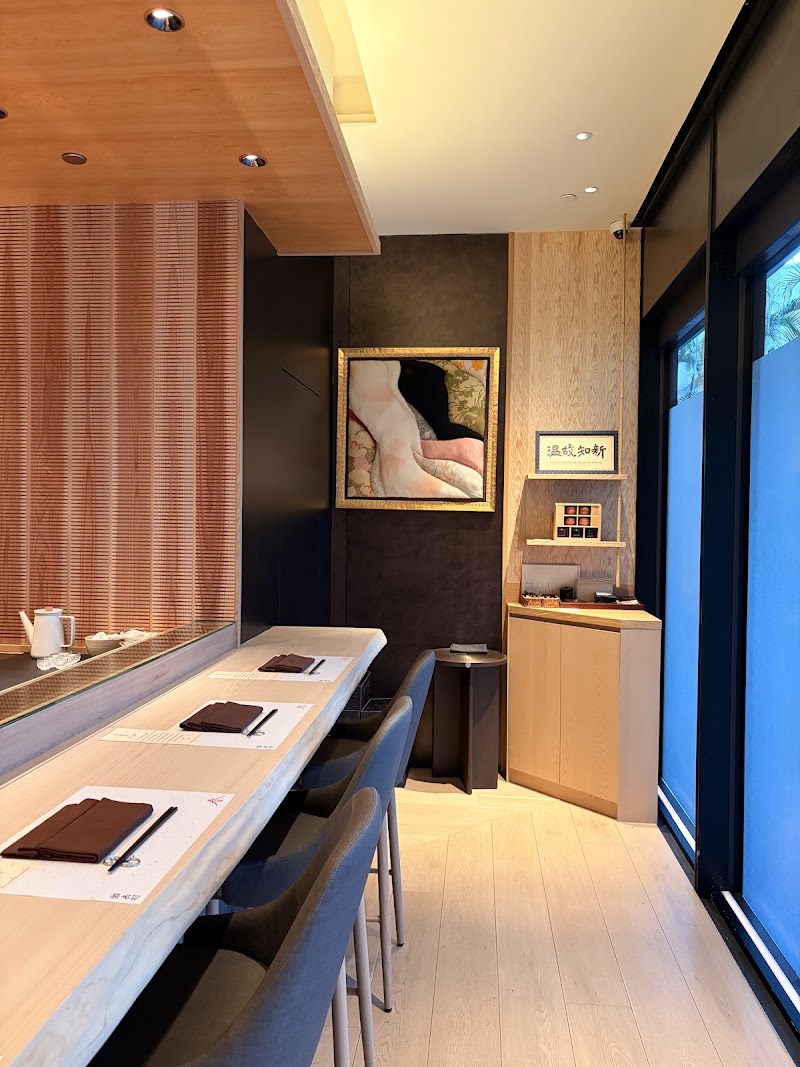
Sushi Kimura at Mandarin Gallery holds one Michelin star and represents the most focused single-chef Edomae experience in Singapore. Chef Kimura trained in Japan before bringing his counter to Orchard Road, and the discipline of that training is apparent in the consistency of every piece served: the ageing of fish is managed personally by the chef, with different cuts held for the precise number of days required to develop the umami depth that fresh fish does not yet possess. Edomae sushi: the style originating in Edo-period Tokyo where fish was treated with salt, vinegar, soy, and other preservatives: demands that the chef understand not just how to cut and form the fish but how to prepare it in ways that enhance its character over time. Sushi Kimura is the most instructive restaurant on this list for diners who want to understand what the Edomae tradition actually means as a technical discipline rather than a marketing descriptor. At 4.4 stars, the consistent Michelin recognition and the chef's hands-on presence at the counter justify the premium without equivocation.
📍 Address: 333A Orchard Rd, #04-17 Mandarin Gallery, Singapore 238897
🌐 Website: sushikimura.com.sg
"Chef Kimura is at his counter at every service I have visited. The aged fish: the maguro that has been held for the right number of days: develops a depth of flavour that fresh-cut fish simply cannot deliver. This is Edomae sushi as an academic discipline expressed through every plate. The one-Michelin-star designation undersells the technical achievement here.", Kenji Watanabe ★★★★★
4. Teppei Japanese Restaurant: Best Value Omakase in Singapore
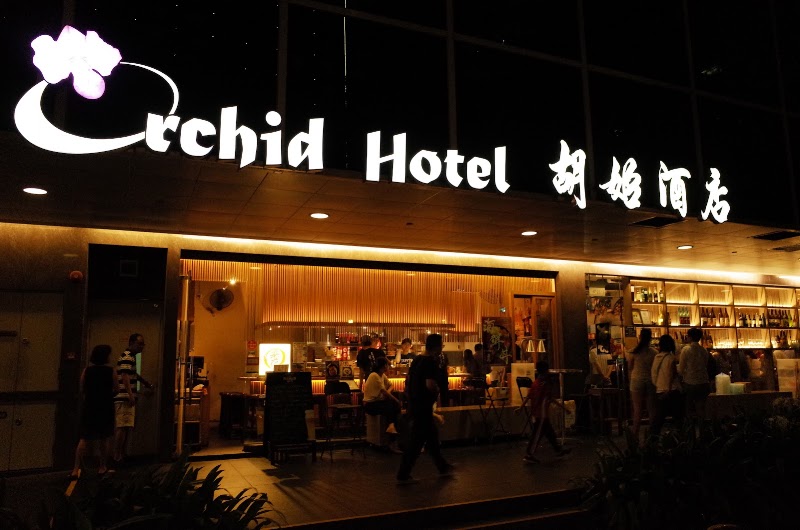
Teppei Japanese Restaurant on Club Street has earned a devoted following by doing something that very few Singapore restaurants at any price point have managed: making omakase genuinely accessible without diluting the format to the point where the experience loses its integrity. Chef Teppei Yamashita runs a tight operation at multiple price tiers: lunch omakase options start at SGD 80 and scale to SGD 150 for the full evening menu: and the fish quality at each tier reflects genuine sourcing effort rather than the budget substitutions that most value-positioned Japanese restaurants resort to. The atmosphere is relaxed in a way that Michelin-starred counters are not, which makes Teppei the practical recommendation for first-time omakase diners who want to understand the format without the formality of a two-star restaurant. At 4.3 stars, the sustained quality across multiple years of full bookings is proof that the value equation Teppei offers is not the result of corner-cutting but of operational efficiency and a chef who has consciously chosen accessibility over the premium positioning available to him.
📍 Address: 70 Tras St, Singapore 079005
🌐 Website: teppei.com.sg
"Teppei converted me from someone who thought omakase was only for special occasions into someone who books it once a month. The value at the lunch tiers is extraordinary: the fish quality at SGD 80 is better than what you find at mid-range sushi restaurants charging twice that for à la carte. Chef Teppei's presence and warmth make every visit feel personal despite the volume.", Rachel Lim ★★★★★
5. Tatsuya: Long-Standing Reputation at Tanglin Shopping Centre
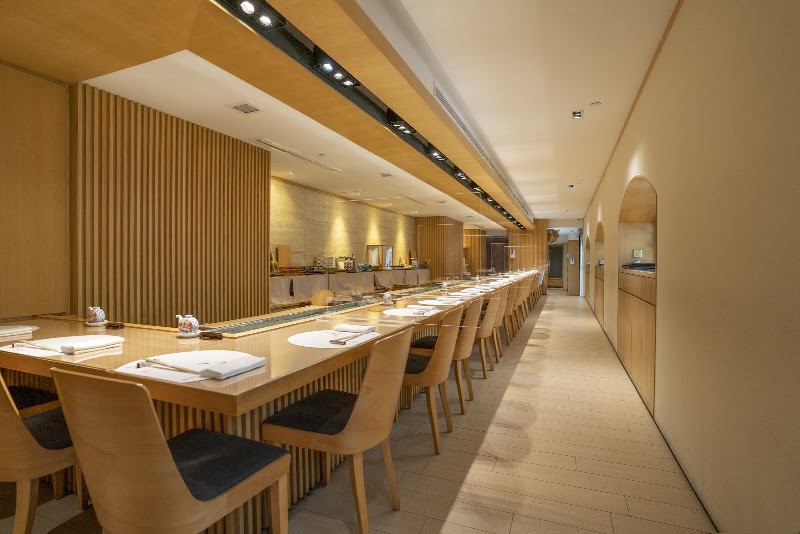
Tatsuya at Tanglin Shopping Centre has occupied its position in Singapore's Japanese dining landscape for long enough to have cultivated a multigenerational following among residents who discovered it before omakase became the dominant format for serious Japanese dining in the city. The restaurant's longevity is itself a quality indicator: in a Singapore F&B market that turns over rapidly, a Japanese restaurant that has maintained its reputation and its audience across many years has earned that loyalty through consistent execution rather than novelty. The omakase at Tatsuya covers both sushi and cooked Japanese cuisine across a multi-course format that gives the kitchen more creative latitude than a pure sushi counter, and the value across the menu tiers: typically SGD 100–200 for a full omakase: remains competitive against newer entrants. At 4.3 stars, Tatsuya's sustained Google rating reflects the kind of consistent, visit-after-visit quality that only comes from a stable kitchen team and a chef who has not allowed the restaurant's reputation to substitute for continued effort.
📍 Address: 163 Tanglin Rd, #B1-01/02 Tanglin Shopping Centre, Singapore 247933
🌐 Website: tatsuya.com.sg
"I have been eating at Tatsuya for over a decade. The consistency is remarkable: the omakase I had this year is of the same standard as the one I had five years ago, which is genuinely rare in Singapore's dining scene. The Tanglin location keeps it slightly under the radar relative to the CBD restaurants, which means booking is less difficult than it deserves to be.", David Ng ★★★★★
6. Mitzo: Modern Japanese-Cantonese Creative Sushi
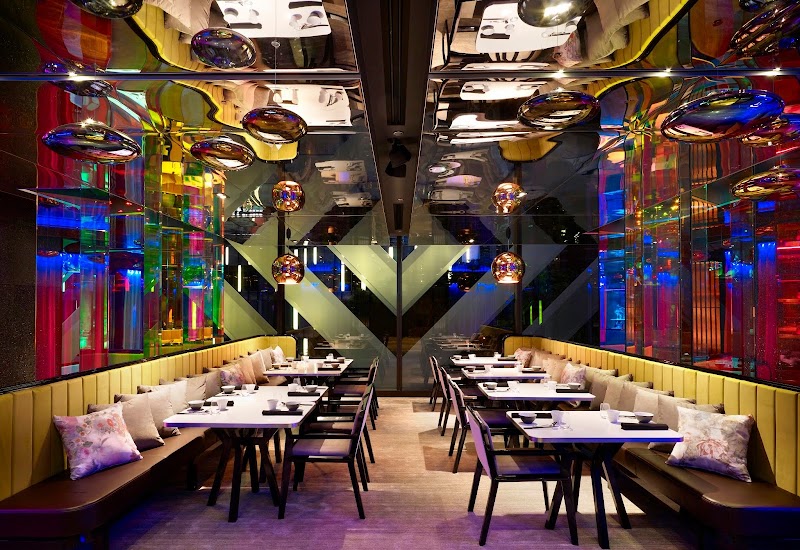
Mitzo at Grand Park Orchard occupies a distinct category on this list: it is not a traditional sushi counter, and makes no claim to be one. The restaurant's signature offering is modern Japanese-Cantonese fusion, with a sushi component that produces creative maki rolls incorporating flavours: XO sauce, chilli crab, crispy shallots, yuzu ponzu: that would not appear at any of the traditional counters above but work with genuine skill within the hybrid framework Mitzo has built. For diners who find the omakase format either financially inaccessible or temperamentally incompatible with how they prefer to eat, Mitzo provides a high-quality sushi experience in a lively, group-friendly format at a more accessible price point. The kitchen's competence is evident in the quality of the fish selection even within the creative rolls: the sourcing is not compromised to support the fusion elements. At 4.2 stars, Mitzo earns its place on this list as the most creative sushi destination in Singapore and the clearest answer for diners who want something genuinely different from traditional Japanese formats.
📍 Address: 270 Orchard Rd, Level 5 Grand Park Orchard, Singapore 238857
🌐 Website: mitzo.com.sg
"Mitzo is what happens when a kitchen takes the fusion concept seriously enough to execute it at a genuinely high level rather than using it as a cover for mediocre ingredients. The XO-glazed maki rolls are unlike anything at a traditional counter: and they work. For groups and celebrations where an omakase counter format does not fit, Mitzo is the clear upgrade from ordinary Japanese restaurants.", Grace Tan ★★★★★
7. Sushi Jiro: Affordable Omakase-Style at Crowne Plaza Changi
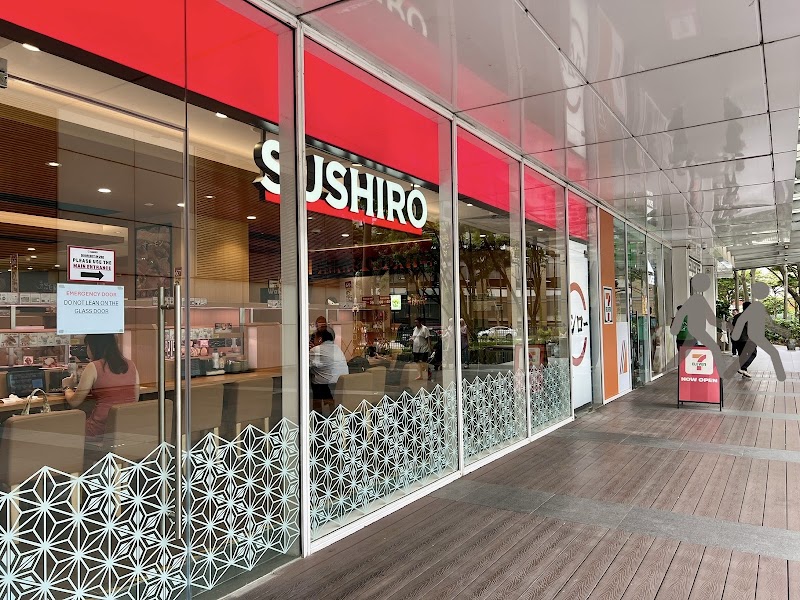
Sushi Jiro at Crowne Plaza Changi Airport occupies a niche that very few Singapore sushi restaurants have successfully claimed: a genuine omakase-style counter at a price point: typically SGD 80–130 for the main menu tiers: that makes the format accessible to diners who want the chef-led, progressive-course experience without the top-tier pricing of Shinji or Shoukouwa. The Changi location serves both hotel guests and destination diners, and the kitchen's awareness that its audience ranges from first-time omakase participants to regular sushi enthusiasts is reflected in a menu that explains each course clearly without being condescending. The fish quality at Sushi Jiro is honest for the price: not at the level of the Michelin counters but sourced with care and prepared with techniques that clearly reflect proper Japanese training. At 4.2 stars, it is the most practically accessible omakase-style destination on this list for diners based in the east of Singapore or connecting through Changi for business travel.
📍 Address: 75 Airport Blvd, #B1-01 Crowne Plaza Changi Airport, Singapore 819664\
"Sushi Jiro at Changi is my go-to recommendation for colleagues visiting Singapore who want to experience a proper omakase but cannot justify the Michelin-star pricing on a work trip. The fish quality is genuinely good for the price tier and the chef explains each course without turning it into a lecture. A reliable, honest omakase experience that punches above its price point.", Alex Chow ★★★★★
8. Sushi Kong: Best Casual Sushi Bar
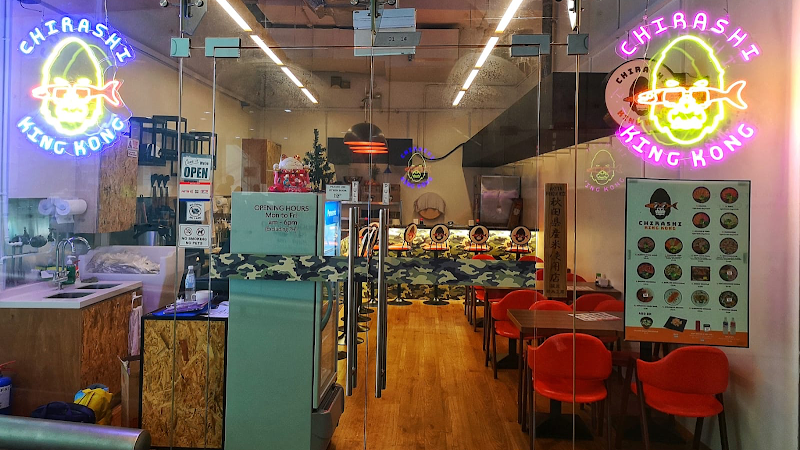
Sushi Kong operates multiple outlets across Singapore and has built its reputation on a straightforward value proposition: good-quality sashimi and nigiri at a casual sushi bar price point, with portions generous enough to satisfy diners who find the restrained serving sizes at omakase counters frustrating. The restaurant is not competing with the Michelin tier and makes no effort to position itself there: the setting is informal, the menu is à la carte and accessible, and the fish selection covers the popular cuts that drive volume in a casual context: salmon, tuna, yellowtail, scallop, and prawn among them. The sashimi at Sushi Kong is reliably fresh and cut with an accuracy that distinguishes it from the careless portion-cutting common at lower-tier sushi chains. At 4.1 stars across its outlets, Sushi Kong serves as the practical answer for Singapore residents who want quality sushi for a midweek dinner without the booking requirements, the formal atmosphere, or the commitment of an omakase format.
📍 Address: Multiple outlets across Singapore\
"Sushi Kong is the restaurant I go to when I want good sashimi without any of the ceremony. The salmon is always fresh, the cuts are generous, and the price makes it possible to order multiple rounds without the bill anxiety of a Michelin counter. Not fine dining: but entirely honest about what it is and consistently delivers at that level.", Benjamin Ong ★★★★
9. Genki Sushi: Singapore's Best Kaiten Chain
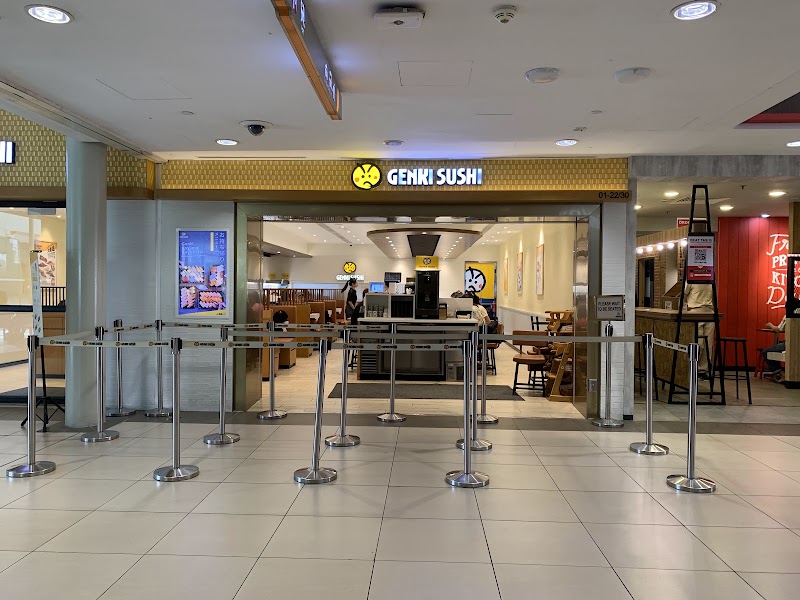
Genki Sushi operates multiple outlets across Singapore and is the best-run kaiten (conveyor belt) sushi chain on the island, evaluated on the criteria that matter in the kaiten format: plate freshness management, menu breadth, ordering efficiency, and price-per-plate value. The Genki model uses a direct-ordering tablet system at many outlets rather than purely relying on conveyor belt selection, which significantly improves the freshness guarantee by ensuring dishes are prepared to order rather than cycling on the belt indefinitely. The menu covers the full kaiten range: standard nigiri, maki rolls, temaki, and cooked Japanese side dishes: at prices that make it the most accessible quality sushi option in Singapore on a per-visit basis. At 3.9 stars across its outlets, Genki Sushi is not competing with the omakase tier and should not be evaluated as if it were: within the kaiten category, it is the reliable, consistent choice that outperforms its immediate competitors on freshness management and value.
📍 Address: Multiple outlets across Singapore
🌐 Website: genkisushi.com.sg
"Genki is where I take my kids for sushi: the tablet ordering system keeps things fresh, the selection is wide, and the bill stays manageable regardless of how many plates the table accumulates. Not a replacement for a real sushi counter, but the best version of what kaiten sushi should be in Singapore and a reliable option when the mood is casual and the group is large.", Sandra Koh ★★★★
10. Sakae Sushi: Singapore's Homegrown Chain
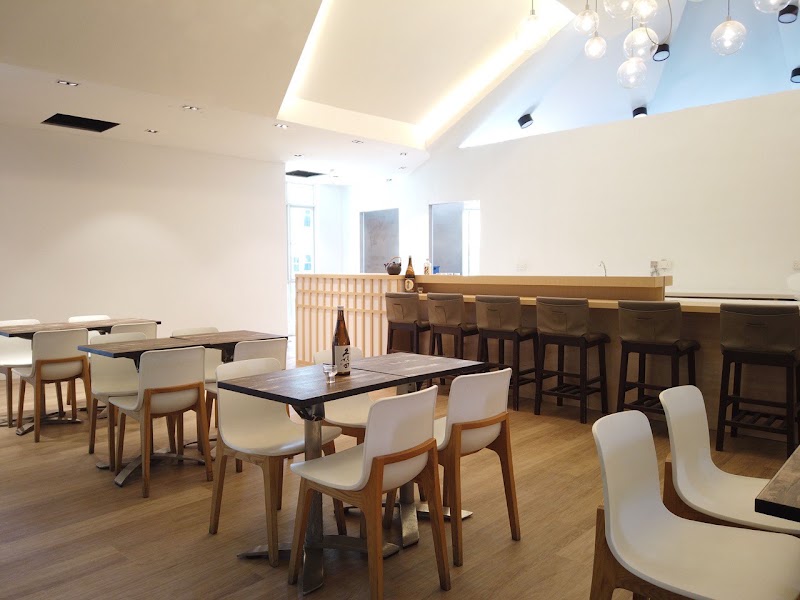
Sakae Sushi is Singapore's homegrown sushi chain: founded locally in 1997 and expanded across Singapore and the region with a format that prioritises accessibility, group suitability, and competitive pricing above all other considerations. The restaurant's Singaporean origins have shaped its menu in ways that distinguish it from Japanese imports: local palate adaptations, a broader range of cooked Japanese dishes alongside the sushi selection, and a pricing structure calibrated for family dining and group meals rather than the solo counter format of the omakase tradition. At 3.8 stars, Sakae Sushi is the most practical option on this list for large groups: birthday dinners, family outings, or corporate lunches where the priority is a predictable, accommodating dining environment at a known price point. The sushi quality is honest within its category: not the technical standard of the Michelin counters, but fresher and more carefully prepared than the reputation of chain sushi sometimes suggests.
📍 Address: Multiple outlets across Singapore
🌐 Website: skaesushi.com.sg
"Sakae is the sushi chain I default to for family dinners when the group spans three generations and everyone needs to find something they enjoy. The menu is the widest of any chain in Singapore, the service is efficient, and the atmosphere is relaxed enough that no one feels pressured. Not destination dining: but the most practical group sushi option in Singapore.", Alicia Foo ★★★★
How They Compare
| Restaurant | Rating | Style | Michelin Stars | Price Range | Location |
|---|---|---|---|---|---|
| Shinji by Kanesaka | 4.5 ★ | Edo-Style Omakase | ★★ | $$$$ | Carlton Hotel / St Regis |
| Shoukouwa | 4.4 ★ | Seasonal Omakase | ★★ | $$$$ | One Fullerton |
| Sushi Kimura | 4.4 ★ | Edomae Omakase | ★ | $$$ | Mandarin Gallery |
| Teppei Japanese Restaurant | 4.3 ★ | Value Omakase | — | $$ | Club Street |
| Tatsuya | 4.3 ★ | Omakase & À la Carte | — | $$ | Tanglin Shopping Centre |
| Mitzo | 4.2 ★ | Modern Japanese-Cantonese | — | $$ | Grand Park Orchard |
| Sushi Jiro | 4.2 ★ | Affordable Omakase-Style | — | $$ | Crowne Plaza Changi |
| Sushi Kong | 4.1 ★ | Casual Sushi Bar | — | $ | Multiple outlets |
| Genki Sushi | 3.9 ★ | Kaiten (Conveyor Belt) | — | $ | Multiple outlets |
| Sakae Sushi | 3.8 ★ | Kaiten / Group Dining | — | $ | Multiple outlets |
Omakase vs À la Carte Sushi: Which is Worth It in Singapore?
The omakase format: in which the chef selects every course based on the day's best produce and the diner's dietary requirements: has become the dominant framework for serious Japanese dining in Singapore, and for good reason. At a genuine omakase counter, the chef's ability to sequence courses, control portion sizes, and build flavour progressions across a full meal produces an experience that à la carte ordering cannot replicate regardless of how good the individual dishes are. The rhythm of an omakase meal: light tsumami appetisers, grilled and braised intermediary courses, the nigiri sequence that forms the centrepiece, and the lighter closing items: is a composed structure rather than a collection of individual choices, and the composed structure is almost always superior to the assembled alternative.
For diners with specific dietary preferences or strong opinions about particular fish species, à la carte sushi at a quality restaurant like Sushi Kong or Tatsuya gives control that the omakase format does not. Diners who know they want a large quantity of salmon sashimi and nothing else are better served by à la carte ordering than by a curated multi-course omakase where the chef determines the balance of proteins and preparations.
The practical answer in Singapore is to reserve omakase for occasions where the full experience: the counter interaction, the chef's judgement, the progressive sequence: adds value, and to use à la carte for more casual, appetite-driven visits. Both formats are well represented across this list at multiple price points.
How to Book and What to Expect at a Singapore Sushi Omakase
Booking. At Shinji by Kanesaka and Shoukouwa, book through the restaurant's website or by phone at least two to three weeks in advance for weekend seatings; weekday lunch is more accessible and worth exploring if scheduling allows. Sushi Kimura and Teppei require two to four weeks advance booking for popular evening slots. Tatsuya and Sushi Jiro are generally more accessible with one to two weeks notice. Cancellations do occur: calling on the day or the day before occasionally produces last-minute seating at even the most sought-after counters.
What to communicate when booking. Inform the restaurant of any dietary restrictions, allergies, or foods you cannot eat at the time of booking rather than at the counter. Omakase menus are prepared sequentially and ingredient substitutions are more manageable when the chef has advance notice. At Michelin-level counters, communicating preferred price tier: most offer two or three omakase menus at different price points: at booking ensures the correct mise en place is prepared for your seating.
Counter etiquette. At a sushi counter, nigiri should be eaten immediately after it is placed in front of you: the rice temperature and the fish temperature are calibrated for immediate consumption and both deteriorate within minutes. Eating with fingers rather than chopsticks is traditional and acceptable at all counters on this list. Avoid heavy perfume or cologne at an intimate counter, as fragrance interferes with the olfactory experience for both you and the diners seated beside you.
Beverage pairing. Sake pairings are available at Shinji, Shoukouwa, and Sushi Kimura and are worth considering for a full omakase experience: the pairing improves the quality of the evening significantly if sake is within your comfort zone. Beer and non-alcoholic pairings are available at all restaurants. At Teppei and Tatsuya, the value positioning of the food makes a considered sake selection a proportionally larger quality improvement to the overall bill.
Want to be featured?
Get your business listed as a top pick and reach thousands of Singapore customers actively searching for your services.
Frequently Asked Questions
What is the best sushi in Singapore?
Shinji by Kanesaka at Carlton Hotel and St Regis holds two Michelin stars and is the most technically accomplished sushi restaurant in Singapore: the Edo-style counter delivers nigiri formed with the precision of the Tokyo original and fish sourced to the standard the Kanesaka lineage demands. For the best value omakase, Teppei Japanese Restaurant on Club Street offers multi-tier omakase from SGD 80 that consistently punches above its price category. For the most creative sushi experience, Mitzo at Grand Park Orchard produces modern Japanese-Cantonese rolls that stand entirely apart from the traditional counter format.
What is omakase?
Omakase is a Japanese dining format in which the diner entrusts the meal entirely to the chef: the word translates directly as "I leave it to you." Rather than ordering from a menu, the chef selects every course based on the day's best seasonal produce, the guest's dietary requirements, and the intended progression of the meal. In Singapore's sushi context, omakase typically involves a sequence of tsumami (small appetiser courses), followed by a series of individually served nigiri sushi pieces, each explained by the chef as it is presented. The format originated at the high end of Tokyo's sushi culture and has become the dominant framework for serious Japanese dining in Singapore.
How much does omakase cost in Singapore?
Omakase pricing in Singapore spans a wide range depending on the restaurant tier. At two-Michelin-star counters: Shinji by Kanesaka and Shoukouwa: expect to pay SGD 250–500 per person for the full evening omakase, excluding beverages. At one-Michelin-star Sushi Kimura, menus typically run SGD 180–300. At the accessible end of serious omakase, Teppei Japanese Restaurant offers lunch menus from SGD 80 and full evening omakase at SGD 120–150. Tatsuya runs SGD 100–200 depending on the menu tier. Budget an additional SGD 30–80 per person for sake or beverage pairings at Michelin-level restaurants.
Do I need to book in advance for sushi omakase in Singapore?
Yes, advance booking is essential at all serious omakase counters in Singapore. Shinji by Kanesaka and Shoukouwa require two to four weeks minimum for weekend evening seatings; popular time slots fill immediately when the booking window opens. Sushi Kimura and Teppei Japanese Restaurant typically require two to three weeks for Friday and Saturday evenings. Tatsuya and Sushi Jiro are somewhat more accessible and can often be booked one to two weeks ahead. Walk-ins are not reliably possible at any Michelin-recognised counter and should not be counted on. For casual sushi at Sushi Kong, Genki Sushi, and Sakae Sushi, walk-ins are the norm and reservations are not required.
What is Edomae sushi?
Edomae sushi is the style of sushi that originated in Edo (the historical name for Tokyo) during the 19th century, distinguished by techniques for treating fish with salt, vinegar, soy, and other preparations before service rather than serving it purely raw. The term encompasses ageing (allowing fish to develop umami depth over one to several days under controlled conditions), marinating (applying soy or citrus to adjust the flavour profile of specific cuts), searing (applying gentle heat to certain cuts to alter texture and aroma), and the use of red vinegar (akazu) in the shari rice blend to produce the distinctive darker, more complex rice seasoning characteristic of older Tokyo sushi houses. Sushi Kimura and Shinji by Kanesaka are the primary Edomae specialists in Singapore; both practice the full range of Edomae techniques rather than using the term as a marketing label for standard omakase.
Verdict
Shinji by Kanesaka is the best sushi in Singapore in 2026: two Michelin stars, Edomae technique executed to the standard of the Tokyo original, and a counter experience that remains unmatched across both its Carlton Hotel and St Regis outlets. For diners who want the second Michelin-star option and a more seasonally dynamic menu, Shoukouwa at One Fullerton delivers with the bonus of Marina Bay views. Sushi Kimura is the pick for a focused single-chef Edomae experience at the one-Michelin-star level, where Chef Kimura's personal commitment to aged and prepared fish is the most educational counter experience in Singapore. For value omakase, Teppei Japanese Restaurant is the clear recommendation: the SGD 80 lunch tier delivers fish quality and chef engagement that the price does not begin to suggest. Tatsuya at Tanglin Shopping Centre is the long-term loyalty pick, a restaurant that has maintained its standard without compromise across a market that has seen dozens of competitors come and go. And for diners who want something entirely different from the traditional counter format, Mitzo's creative Japanese-Cantonese sushi rolls are the most interesting eating in Singapore's sushi landscape and the most likely to produce a genuine surprise from an experienced diner who thought they had seen everything the city's Japanese restaurant scene could offer.