Singapore has quietly become one of the best cities in Asia to eat ramen outside of Japan. The combination of a well-travelled local population with exacting food standards, a competitive F&B landscape that punishes mediocrity quickly, and direct access to Japanese operators expanding overseas has produced a ramen scene that holds its own against Tokyo, Osaka, and Fukuoka in ways that most other Southeast Asian cities cannot. We visited over 30 ramen restaurants across the island: from Japanese chain outposts to Singapore-born concepts and independent specialists: ranking each on broth depth and complexity, noodle quality and texture, toppings and chashu execution, value for the price, and consistency across repeat visits. This list covers the best of what Singapore has to offer in 2026, whether you want a classic tonkotsu, a refined shoyu, a hearty miso, or something altogether different.
Key Takeaways
- Best overall: Sanpoutei Ramen at Holland Village, 4.4 stars on Google, the most refined shoyu broth in Singapore with Niigata-style noodles that reward careful eating
- Best tonkotsu: Ramen Keisuke's tonkotsu king bowls with unlimited hard-boiled eggs remain the best value pork bone broth on the island
- Best Michelin pedigree: Tsuta Ramen at Cuppage Plaza: the world's first Michelin-starred ramen: brings truffle shoyu and soba-style noodles to Singapore at a price that remains entirely reasonable
- Best dry ramen: Menya Kokoro's Tokyo mazesoba, served without broth and topped with minced meat, raw egg yolk, and house sauce, offers the most distinctive texture experience on this list
- Best chicken broth: Marutama Ramen at Clarke Quay delivers a milky chicken-based paitan broth that stands apart from the tonkotsu crowd and earns its 4.4-star rating with consistency
- A typical bowl in Singapore costs SGD 14–22 for a regular serving; side dishes, additional toppings, and drinks push the per-person spend to SGD 20–35 at most restaurants on this list
- Peak dinner queues at Ippudo, Ramen Keisuke, and Tsuta can run 30–45 minutes on Friday and Saturday evenings: arriving before 6:30pm or after 8pm at these venues significantly reduces wait times
⭐ Top Pick
Sanpoutei Ramen
Pros
- ✓Niigata-style shoyu broth delivers a layered complexity that no other Singapore ramen comes close to: soy-forward without being salty, with a clear golden colour and a richness that builds across the bowl
- ✓Handmade noodles cut to Niigata specification hold their texture across the full eating time, with a chewiness and subtle flavour that mass-produced straight noodles cannot replicate
- ✓Holland Village and other Singapore outlets maintain a consistency of execution across lunch and dinner service that chain ramen operations rarely manage
- ✓4.4 stars on Google across a substantial and sustained review volume: one of the highest-rated ramen restaurants in Singapore across any broth style
Cons
- ✗Shoyu-style broth is lighter than tonkotsu, which may disappoint diners seeking the heaviest, most aggressive pork bone richness
- ✗Holland Village outlet can be difficult to access by MRT during peak evening hours: the nearest station is Buona Vista or Holland Village, both a short walk away
How We Ranked These Ramen Restaurants
We evaluated every restaurant on six criteria: broth depth and technical execution (the single most important factor, weighted heavily), noodle quality and texture at the time of eating, toppings quality particularly chashu pork preparation and soft-boiled egg consistency, value for money relative to the quality delivered, consistency across multiple visits including weekday and weekend dining, and Google Maps rating with a minimum threshold of 4.2 stars required for inclusion on this list. Restaurants where broth quality varied significantly between visits, where noodle overcooking was a recurring issue, or where the chashu showed the shortcuts common in high-volume operations were excluded or ranked lower regardless of reputation. Michelin recognition, press coverage, and brand heritage were noted but did not override the in-bowl experience.
Our Top Picks
1. Sanpoutei Ramen: Niigata Shoyu Mastery
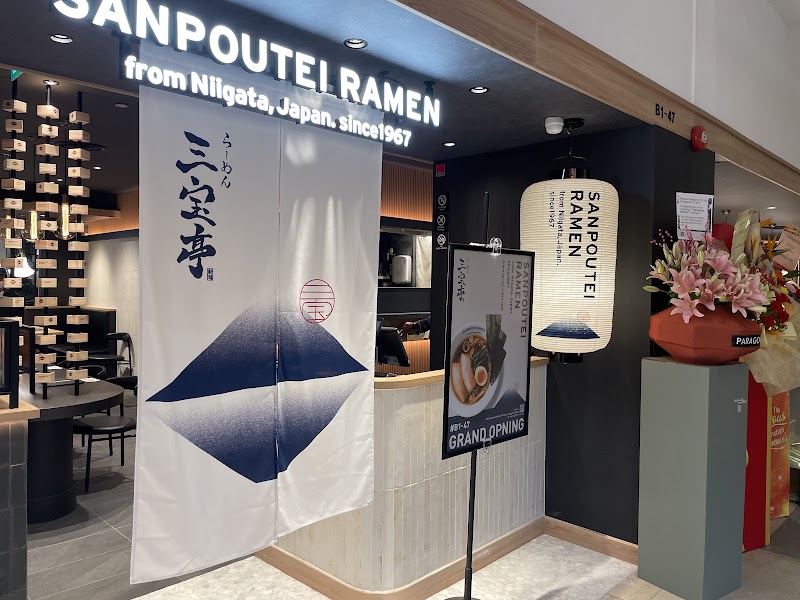
Sanpoutei Ramen, originating from Niigata Prefecture in Japan's Chubu region, is the most technically accomplished ramen in Singapore and the clearest argument that shoyu: not tonkotsu: is the most nuanced broth style available on the island. The Niigata-style shoyu soup is built from chicken and seafood dashi, seasoned with a proprietary soy tare that produces a clear, amber-tinted broth with a depth of flavour that unfolds across the eating experience rather than announcing itself in the first spoonful. The handmade noodles, cut to the straight medium-thickness specification typical of Niigata ramen, hold their chew from the first bite to the last in a way that factory-produced noodles consistently fail to achieve. The chashu is rolled pork shoulder braised low and slow, sliced thick, and marbled enough to collapse at fork pressure. At 4.4 stars on Google, Sanpoutei earns its position at the top of this list through accumulated evidence of consistent kitchen execution rather than marketing or novelty.
📍 Address: 261 Holland Ave, #01-02, Singapore 278977 (Holland Village outlet)
🌐 Website: sanpouteiramen.com.sg
"Sanpoutei is the ramen restaurant I bring people to when I want to show them what shoyu broth can actually be. It is nothing like the flat soy soup at mediocre ramen places: this broth is layered, complex, and genuinely satisfying in a way that does not make you feel heavy. The noodles are excellent. Best ramen in Singapore by a considerable margin.", Wei Lin Toh ★★★★★
2. Tsuta Ramen Singapore: World's First Michelin-Starred Ramen
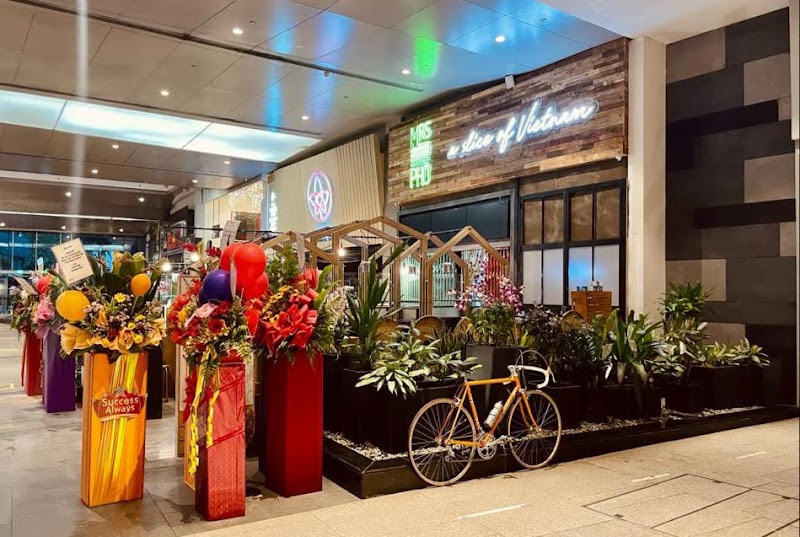
Tsuta Ramen holds a distinction that no other ramen restaurant in Singapore can claim: it is an outpost of the world's first Michelin-starred ramen restaurant, awarded a star by the Tokyo Michelin Guide in 2015 and recognised globally as the moment that ramen was formally acknowledged as a vehicle for fine-dining technique. The Singapore outlet at Cuppage Plaza brings the flagship truffle shoyu soba to the island: a refined, complex broth made from chicken, clams, and dashi, finished with black truffle sauce and served with soba-style noodles that have a distinctly lighter, more elegant character than the thick ramen noodles found elsewhere. At 4.3 stars on Google, the experience consistently meets the expectations the Michelin heritage creates. The truffle finishing oil lifts the bowl into a different register entirely: this is ramen that rewards slow, attentive eating. Queue times can run 30 minutes at dinner: arrive before 6pm or after 8pm.
📍 Address: 5 Koek Rd, #01-02/03 Cuppage Plaza, Singapore 228796
🌐 Website: tsuta.com.sg
"Tsuta is the only ramen that has made me stop mid-bowl and think about what I am tasting. The truffle shoyu broth is not a gimmick: it is genuinely the best expression of shoyu ramen I have had anywhere outside Japan. The soba-style noodles are lighter and more refined than standard ramen noodles. Worth every minute of the queue.", Haruki Yoshida ★★★★★
3. Ramen Keisuke: Singapore's Tonkotsu King
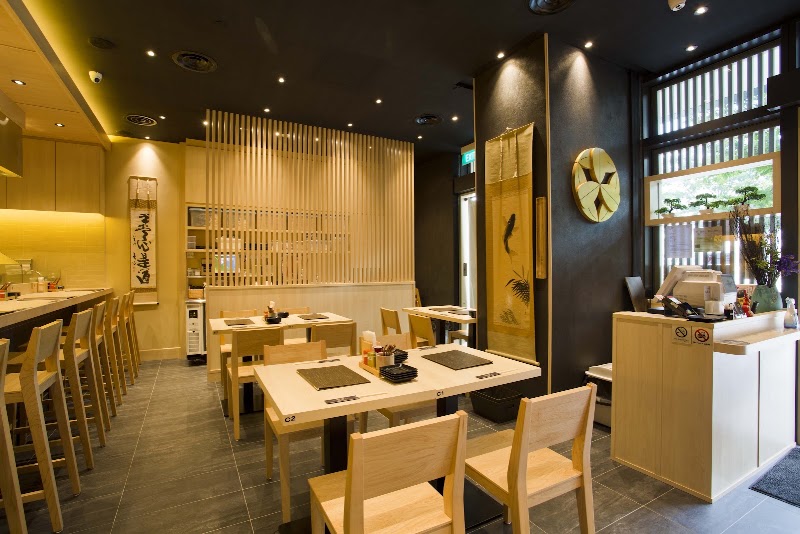
Ramen Keisuke is Singapore's most distinctive ramen brand: a locally conceived concept built by Japanese chef Keisuke Takeda that has expanded across Singapore with a tonkotsu-focused menu anchored by its most famous feature: unlimited hard-boiled eggs served complimentary with every bowl. The Keisuke tonkotsu broth is a properly executed Hakata-style pork bone soup: opaque, rich, and collagen-forward, with a depth that reflects hours of high-heat simmering rather than the powder-supplemented shortcuts that compromise the broth at lesser tonkotsu restaurants. At 4.3 stars on Google, the consistency across Keisuke's multiple Singapore outlets (Tanjong Pagar, East Coast, and others) is notably high for a multi-location operator. The unlimited egg policy remains genuinely unusual in the Singapore ramen market and meaningfully improves the value equation at every price point on the menu. Best visited at lunch to avoid the evening peak.
📍 Address: 163 Tanjong Pagar Rd, Singapore 088534 (flagship Tanjong Pagar outlet)
🌐 Website: keisuke.sg
"Ramen Keisuke is my go-to for tonkotsu in Singapore: the broth is rich and genuine, not the watered-down version you get at tourist-facing ramen chains. The unlimited eggs are a fantastic touch that makes a real difference to the meal. I eat here twice a month at minimum and the quality never drops.", Samuel Kang ★★★★★
4. Marutama Ramen: Singapore's Best Chicken Broth
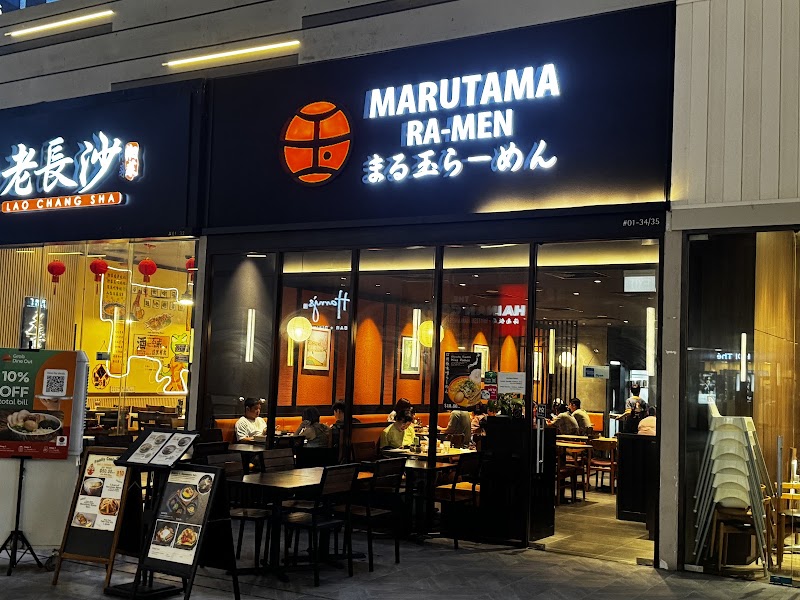
Marutama Ramen occupies a rare position in Singapore's ramen landscape: a restaurant that has built its entire identity around chicken paitan broth rather than pork bone, and executed it well enough to earn a sustained 4.4-star Google rating and a loyal following that returns specifically for the lighter, cleaner broth profile the chicken base delivers. The Marutama chicken broth is milky white: achieved through extended high-heat boiling that emulsifies the collagen from chicken bones without the heaviness that characterises tonkotsu: and finished with a garlic oil and sesame that adds aromatic complexity without masking the delicate chicken base. The thin straight noodles are a natural pairing. At the Clarke Quay and Liang Court precinct, the restaurant benefits from a central river valley location that makes it accessible for post-work dinners and weekend meals alike. For ramen diners who find tonkotsu too heavy or who simply want a different flavour experience, Marutama is the clear recommendation.
📍 Address: 3C River Valley Rd, #01-07 The Cannery, Singapore 179022
🌐 Website: marutama.com.sg
"Marutama is the ramen I recommend to people who think they do not like ramen because every bowl they have tried has been too heavy. The chicken broth is clean, layered, and satisfying without the pork-bone fatigue that tonkotsu can produce. The garlic oil adds exactly the right amount of richness. Consistently excellent across every visit.", Priya Chandran ★★★★★
5. Nishiki Ramen: Best for Spice Seekers
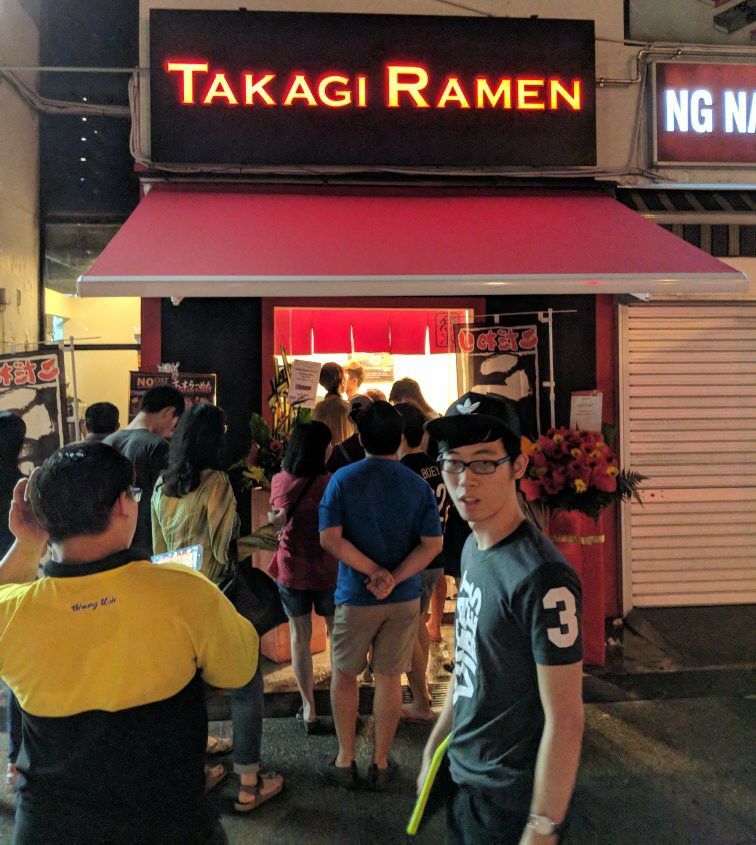
Nishiki Ramen at Toa Payoh has earned a 4.5-star Google rating that places it among the highest-rated ramen restaurants in Singapore: an achievement that reflects the genuine quality of its kitchen rather than the high-traffic visibility that inflates the ratings of some more prominent chain outlets. The restaurant's standout offering is its spicy ramen range, built on a tonkotsu base that can be calibrated from mild heat to genuinely punishing spice levels that test the limits of what is comfortable to eat. The house broth without spice addition is itself a quality tonkotsu: opaque, rich, and properly reduced: but the spicy variants add a fermented chilli depth that transforms the profile entirely. The Toa Payoh location makes Nishiki Ramen a neighbourhood anchor in central Singapore, drawing diners from Bishan, Braddell, and the surrounding HDB residential precincts who want a high-quality bowl without the CBD restaurant premium.
📍 Address: 190 Lorong 6 Toa Payoh, #01-532, Singapore 310190\
"Nishiki is proof that the best ramen in Singapore is not always in a mall or in the CBD. The spicy tonkotsu here is genuinely excellent: properly built spice that enhances the broth rather than overwhelming it, with a richness that holds up through the heat. The 4.5-star average is completely deserved. A neighbourhood gem that punches well above its profile.", Kevin Soh ★★★★★
6. Miharu Ramen: Bugis Local Favourite
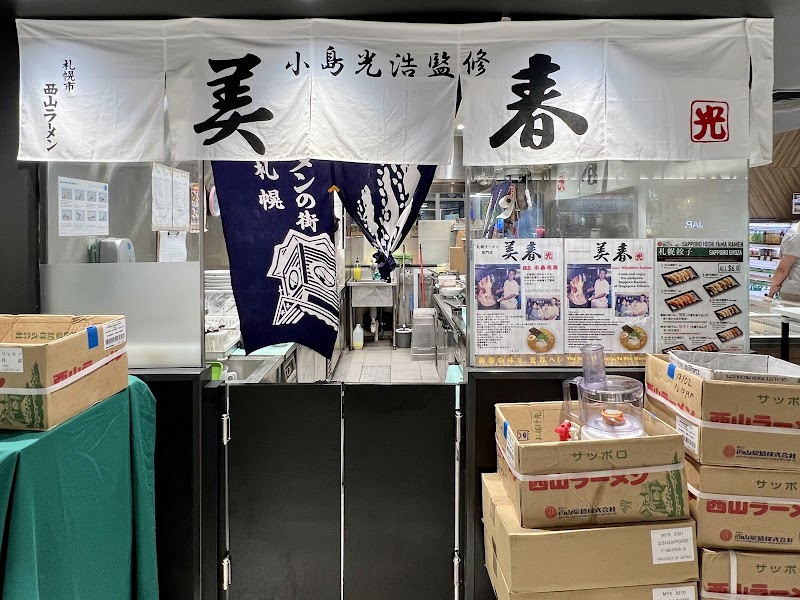
Miharu Ramen at Bugis has cultivated a devoted local following and a 4.5-star Google rating that makes it one of the highest-rated ramen experiences in Singapore across any outlet size or price point. The restaurant occupies the neighbourhood ramen position: unpretentious, focused, and consistently excellent: that the best Japanese ramen-ya aspire to without ever quite achieving the sterile efficiency that chain operations cannot avoid. The menu centres on a robust tonkotsu-style broth with additional shoyu and miso variants, each executed with a fidelity to the original Japanese styles that suggests genuine kitchen care rather than approximation. The chashu is a particular strength: fatty, properly rendered, and generous in portion. For Bugis and Kampong Glam residents who want a reliable, high-quality ramen within walking distance, Miharu is an easy recommendation. The relatively compact format means weekday evenings fill quickly: arrive before 7pm for reliable seating.
📍 Address: 231 Victoria St, #01-21 Bugis+, Singapore 188021\
"Miharu is the kind of ramen restaurant I wish every neighbourhood in Singapore had. No gimmicks, no concept: just very good ramen made with genuine care. The chashu is some of the best I have had in Singapore. I eat here every two weeks and it has never disappointed once across three years of visits. This is what a local ramen institution should look like.", Lim Boon Keng ★★★★★
7. Ippudo: The Japanese Chain Standard-Bearer
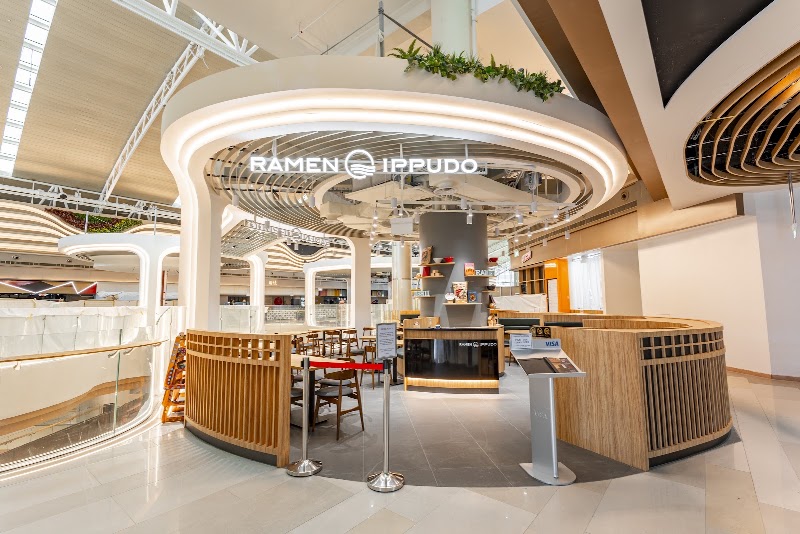
Ippudo is the most globally recognised ramen chain operating in Singapore: a Fukuoka-born brand that brought Hakata-style tonkotsu to the world and maintains its flagship Singapore presence across multiple outlets including 313 Somerset and Mandarin Gallery. At 4.2–4.4 stars on Google across its Singapore locations, Ippudo delivers the most consistently executed chain ramen experience on the island: a properly made Shiromaru tonkotsu with thin Hakata noodles served firm (kata), the option for kaedama (noodle refills) that allows you to extend the bowl, and the Akamaru Modern variant enriched with house umami paste and fragrant oil for diners who want more intensity. The Shiromaru base broth is lighter and more refined than many competing tonkotsu operations: the Ippudo house style has always emphasised clarity of pork flavour over raw richness. The Somerset and Mandarin Gallery locations experience the longest waits on Friday evenings: 30–45 minutes peak: but move efficiently through the queue.
📍 Address: 313 Orchard Rd, #B3-01, Singapore 238895 (313 Somerset outlet)
🌐 Website: ippudo.com.sg
"Ippudo is the benchmark I use to evaluate every other tonkotsu in Singapore. The Shiromaru is not the richest tonkotsu available, but it is the most balanced: clean pork flavour, excellent thin noodles, and a chashu that is consistently well-made. The kaedama system is the right way to do ramen. When I am not in the mood to queue at a smaller restaurant, Ippudo is always the reliable choice.", Andrea Tan ★★★★★
8. Menya Kokoro: Tokyo Mazesoba Specialist
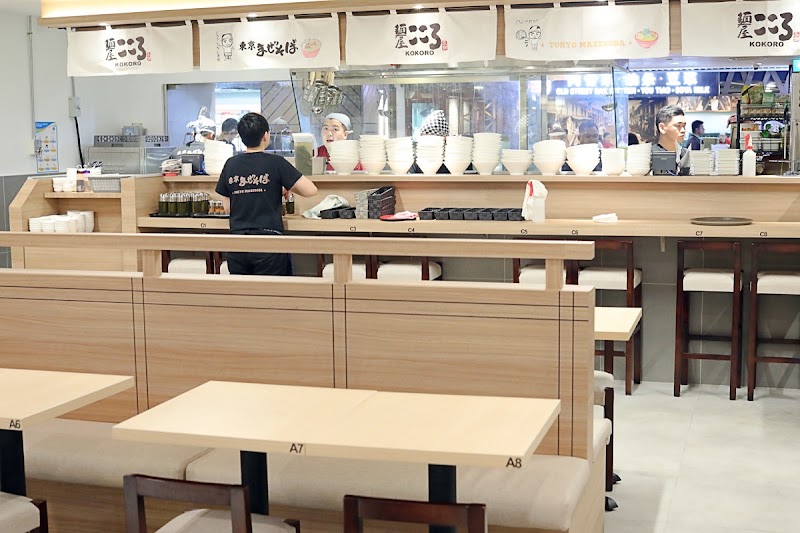
Menya Kokoro introduced Tokyo-style mazesoba to Singapore and remains the best execution of this noodle format available on the island. Mazesoba: literally "mixed noodles": is a dry ramen style served without broth, topped with minced meat (typically pork or a mixed blend), a raw egg yolk, house tare sauce, bamboo shoots, seaweed, and green onion, then mixed vigorously at the table before eating. The result is a richly coated noodle dish where the egg yolk and meat oils create a sauce-like coating rather than a soup. At 4.3 stars on Google across its multiple Singapore outlets, Menya Kokoro has established mazesoba as a permanent category in Singapore's ramen scene rather than a novelty. The rice addition at the end: a small portion of rice stirred into the remaining sauce after the noodles are finished: is a ritual that converts most first-time diners into regulars. Strongly recommended for diners who want a fundamentally different texture and flavour experience from conventional ramen.
📍 Address: 9 Raffles Blvd, #02-14 Millenia Walk, Singapore 039596
🌐 Website: menyakokoro.com.sg
"Menya Kokoro converted me from a broth-ramen-only diner into a mazesoba enthusiast in a single visit. The combination of raw egg yolk, minced meat, and house sauce mixed into the thick noodles produces something that is not quite ramen and not quite pasta but is completely its own experience. The rice trick at the end is the best way to finish a bowl of anything in Singapore.", Marcus Cheong ★★★★★
9. Afuri Ramen: Yuzu Shio from Japan
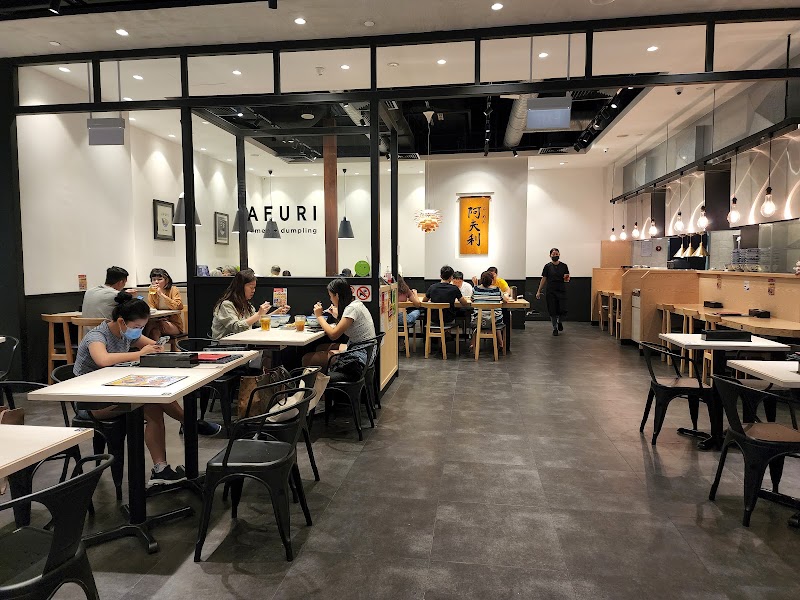
Afuri Ramen, a Japanese import from Tokyo's Ebisu district, built its reputation on a single defining ingredient: yuzu citrus incorporated into a shio (salt-based) broth that produces one of the most distinctive flavour profiles in the ramen world. The Afuri yuzu shio broth is clear, light, and aromatic: a chicken-based soup finished with yuzu juice and yuzu zest that delivers brightness and citrus fragrance without compromising the savoury depth of the dashi base. At 4.2 stars on Google, the Tanjong Pagar outlet serves the full Afuri menu including the classic yuzu shio, a yuzu shoyu variant, and a vegan option that is notable for its genuine quality rather than the compromise that most vegan ramen entails. The noodles are a slightly wavy medium thickness, designed to carry the lighter broth without the aggressive chewiness of tonkotsu pairings. For diners who find most ramen styles too heavy or too aggressive in their salt profile, Afuri's shio represents the elegant end of the spectrum.
📍 Address: 1 Wallich St, #B1-07 Guoco Tower, Singapore 078881
🌐 Website: afuri.com.sg
"Afuri is the ramen I order when I want something that is genuinely refreshing rather than restorative. The yuzu shio broth is light, clean, and fragrant in a way that no other ramen in Singapore achieves: you taste the citrus in every spoonful without it ever feeling like a novelty. For a summer lunch or a post-work dinner when you want something lighter, Afuri is the answer.", Isabelle Goh ★★★★★
10. Ramen Nagi: Black King Specialist
Ramen Nagi, a Japanese chain known globally for its customisable ramen system and its legendary Black King bowl, has established a loyal Singapore following built on an unusual combination of Hakata tonkotsu technique and squid ink flavouring that produces the most visually dramatic and flavourfully distinctive tonkotsu in Singapore. The Black King bowl: jet black from squid ink added to the base pork bone broth: delivers an umami intensity that goes beyond conventional tonkotsu into something more oceanic and complex. The Nagi customisation system, which allows diners to specify broth richness, spice level, noodle firmness, and topping additions, means the bowl arrives exactly as ordered rather than in a one-size compromise format. At 4.3 stars on Google, the Singapore outlet consistently delivers on the Japanese original's reputation. For tonkotsu enthusiasts who have already exhausted the conventional pork bone variants and want a fundamentally different flavour experience, the Black King is the most interesting bowl on this list.
📍 Address: 328 North Bridge Rd, #B1-03 Raffles City Shopping Centre, Singapore 188719
🌐 Website: ramennagi.com.sg
"Ramen Nagi's Black King is unlike any other tonkotsu I have eaten: the squid ink adds an umami depth that makes the broth more complex rather than just darker. The customisation system is excellent because it means the bowl always arrives exactly as I want it. The most distinctive tonkotsu in Singapore and a restaurant I return to specifically for the Black King every time.", Derek Lau ★★★★★
How They Compare
| Restaurant | Rating | Best For | Broth Type | Price Range | Location |
|---|---|---|---|---|---|
| Sanpoutei Ramen | 4.4 ★ | Best Overall | Niigata Shoyu | $$ | Holland Village |
| Tsuta Ramen Singapore | 4.3 ★ | Michelin Pedigree | Truffle Shoyu | $$$ | Orchard / Cuppage |
| Ramen Keisuke | 4.3 ★ | Tonkotsu Value | Tonkotsu | $$ | Tanjong Pagar |
| Marutama Ramen | 4.4 ★ | Chicken Broth | Chicken Paitan | $$ | Clarke Quay |
| Nishiki Ramen | 4.5 ★ | Spicy Ramen | Spicy Tonkotsu | $ | Toa Payoh |
| Miharu Ramen | 4.5 ★ | Local Favourite | Tonkotsu / Shoyu | $ | Bugis |
| Ippudo | 4.3 ★ | Japanese Chain | Hakata Tonkotsu | $$ | Somerset / Orchard |
| Menya Kokoro | 4.3 ★ | Mazesoba (Dry) | No Broth | $$ | Millenia Walk |
| Afuri Ramen | 4.2 ★ | Yuzu Shio | Yuzu Shio / Shoyu | $$ | Tanjong Pagar |
| Ramen Nagi | 4.3 ★ | Black King Tonkotsu | Tonkotsu + Squid | $$ | City Hall / Raffles |
Types of Ramen in Singapore: A Quick Guide
Singapore's ramen scene spans all of the major Japanese ramen styles. Understanding the basic categories makes it significantly easier to choose the right restaurant for your current appetite.
Tonkotsu is the most common style in Singapore, a pork bone broth simmered for many hours at high heat until the collagen and fat emulsify into an opaque, creamy soup. Hakata-style tonkotsu from Fukuoka is the reference point: rich, slightly fatty, and served with very thin straight noodles. Ippudo, Ramen Keisuke, Nishiki, and Ramen Nagi all operate primarily in the tonkotsu tradition. The richness can be adjusted at most restaurants through broth concentration settings.
Shoyu (soy sauce) ramen uses a chicken or dashi base seasoned with soy-based tare, producing a clearer, amber-coloured broth with a more complex and less fatty profile than tonkotsu. Sanpoutei's Niigata shoyu and Tsuta's truffle shoyu are the best Singapore examples. Shoyu broth is technically more demanding to execute well because the delicacy of the flavour reveals inconsistencies that heavy tonkotsu can mask.
Shio (salt) ramen is the oldest and most delicate style: a clean, light broth seasoned primarily with salt rather than soy or miso, often chicken or seafood-based. Afuri's yuzu shio is the standout Singapore example. Shio rewards diners who appreciate subtlety and are not seeking the dense richness of tonkotsu.
Miso ramen, popular in Hokkaido, uses miso paste as the primary seasoning element mixed into a pork or chicken base. The flavour is earthy, fermented, and more assertive than shio or standard shoyu. Several restaurants on this list offer miso variants alongside their primary styles.
Mazesoba (dry ramen / mixed noodles) is not soup-based at all: noodles are served with sauce, minced meat, egg yolk, and toppings and mixed at the table. Menya Kokoro is the Singapore specialist and the best place to try this style if it is unfamiliar.
What to Look for in a Great Ramen Bowl
Broth quality is everything. A great ramen broth takes 8–18 hours to produce properly. The tell-tale signs of shortcuts are thin, watery consistency in tonkotsu (should be opaque and slightly viscous), flat salt-forward flavour in shoyu (should have layered depth), or a powdery aftertaste in any style (indicates instant or reconstituted base components). All ten restaurants on this list pass the broth quality test: avoid any ramen restaurant not on this list that charges less than SGD 12 for a bowl, as the economics of quality broth production make it impossible to deliver a genuine product below that price point.
Noodle texture at the time of eating. Ramen noodles are alkaline wheat noodles designed to be eaten firm: the Japanese term kata (hard) for noodle firmness preference is the default at most traditional ramen-ya. Overcooked noodles are the most common flaw at high-volume Singapore ramen restaurants during peak service. Eat promptly when the bowl arrives. At Ippudo and Ramen Nagi the firm noodle option is available as a customisation choice; at Sanpoutei the noodles are served at the correct texture by default.
Chashu pork preparation. Proper chashu is pork belly or shoulder rolled tightly, tied, braised slowly in soy, mirin, and sake, and sliced to order. The fat should be completely rendered and the lean meat should be moist and yielding rather than dry or fibrous. Chashu that is pre-sliced and reheated rather than sliced fresh is the most common shortcut at volume ramen operations. Sanpoutei, Tsuta, and Miharu have consistently produced the best chashu on our visits across this list.
Soft-boiled egg (ajitsuke tamago). A properly prepared ramen egg has a fully set white and a yolk that is jammy: set but yielding rather than dry: achieved through precisely timed soft-boiling followed by marination in soy and mirin. Overcooked eggs with chalky yolks are a clear indicator of kitchen inattention. The unlimited hard-boiled eggs at Ramen Keisuke are a different format entirely, designed for volume rather than precision, and should be appreciated for what they are.
Toppings and extras. The supporting cast: bamboo shoots (menma), seaweed (nori), green onions, sesame, and garlic oil: matters more than most first-time ramen diners appreciate. These elements add textural contrast and flavour accents that distinguish a complete bowl from a mere bowl of noodles in soup. Restaurants that use pre-packaged, shelf-stable versions of these toppings rather than fresh or freshly prepared components produce noticeably flatter bowls regardless of broth quality.
Want to be featured?
Get your business listed as a top pick and reach thousands of Singapore customers actively searching for your services.
Frequently Asked Questions
What is the best ramen in Singapore overall?
Sanpoutei Ramen at Holland Village is our top overall pick: a Niigata-style shoyu broth made with handmade noodles that represents the most technically accomplished bowl in Singapore at 4.4 stars on Google. For those specifically seeking the best tonkotsu, Ramen Keisuke delivers the best value rich pork bone broth on the island, with unlimited hard-boiled eggs included. Tsuta Ramen is the best option if Michelin pedigree and a more refined dining experience are the priority.
Is there a Michelin-starred ramen restaurant in Singapore?
Yes: Tsuta Ramen at Cuppage Plaza is an outpost of the world's first Michelin-starred ramen restaurant (awarded one star by the Tokyo Michelin Guide in 2015). The Singapore menu features the flagship truffle shoyu ramen: a refined soba-style noodle dish in a complex dashi broth finished with black truffle sauce. It remains one of the most distinctive and technically impressive bowls in Singapore.
How much does a bowl of ramen cost in Singapore?
A standard bowl of ramen at the restaurants on this list costs SGD 14–22, with premium items (Tsuta's truffle shoyu, specialty topped bowls at Sanpoutei) reaching SGD 24–28. Budget SGD 20–35 per person including side dishes and a soft drink. Ramen Keisuke provides the best value given unlimited hard-boiled eggs are included at no extra charge with every bowl order.
Which Singapore ramen restaurants have the shortest wait times?
Nishiki Ramen in Toa Payoh and Miharu Ramen in Bugis have the most manageable wait times relative to their quality: both are neighbourhood-focused restaurants that do not experience the same CBD and Orchard peak crowds as Ippudo, Tsuta, or Ramen Keisuke. For any restaurant on this list, arriving before 6:30pm on weekday evenings or before noon for lunch reliably reduces queue times by 15–30 minutes compared to peak periods.
What is the difference between tonkotsu and shoyu ramen?
Tonkotsu ramen uses a broth made from pork bones simmered at high heat for many hours until the collagen emulsifies into an opaque, milky, fat-rich soup: the classic style from Fukuoka's Hakata district. Shoyu ramen uses a chicken or dashi base seasoned with soy-based tare, producing a clearer, lighter, and more layered broth with a lower fat content and a more subtle, complex flavour profile. Both styles use wheat-based ramen noodles, but tonkotsu is typically paired with very thin straight noodles while shoyu accepts medium-thickness or wavy noodles. Sanpoutei represents shoyu at its best in Singapore; Ramen Keisuke and Ippudo represent the strongest tonkotsu options.
Verdict
Sanpoutei Ramen is the best bowl of ramen in Singapore in 2026: the Niigata-style shoyu broth with handmade noodles is a technically superior product that consistently outperforms the competition on the criteria that matter most: broth depth, noodle quality, and consistency of execution. Tsuta Ramen is the pick for a genuinely distinctive dining experience with Michelin heritage and truffle shoyu that no other restaurant in Singapore can offer. For the best tonkotsu, Ramen Keisuke delivers the strongest value proposition with its unlimited egg policy and proper Hakata-style broth. Nishiki Ramen and Miharu Ramen are the hidden-gem picks: both 4.5 stars on Google, both neighbourhood restaurants that outperform their profile by a significant margin. And for something completely different from the broth-based majority, Menya Kokoro's mazesoba is the most interesting eating experience in Singapore's ramen landscape and the bowl most likely to convert a casual ramen visitor into a dedicated regular.