Dim sum is where Singapore's Cantonese heritage surfaces most visibly. The tradition of yum cha: literally "drinking tea": arrived with Cantonese immigrants from Guangdong province and took root in a city that already understood the ritual of communal eating. Decades on, Singapore's dim sum scene is one of the most serious in Southeast Asia: hotel restaurants serving impeccable weekend trolley service, heritage establishments that have been steaming har gao since before the nation existed, and affordable neighbourhood spots where the queue starts before the kitchen opens. We visited more than 30 dim sum restaurants across the island: hotel dining rooms, zi char halls, and local institutions: ordering the same core basket of dishes at each and measuring every element against a consistent standard. This is the ranked result.
Key Takeaways
- Best overall: Tim Ho Wan at Plaza Singapura delivers Michelin-starred quality at hawker prices, with baked BBQ pork buns that remain the most celebrated single dim sum item in Singapore
- Best fine dining: Yan Ting at the St Regis is the city's most elegant yum cha: delicate, precisely executed, and worth every dollar for a special occasion
- Best heritage: Dragon Phoenix Restaurant at Clarke Quay has been serving traditional Cantonese dim sum since 1958 and shows no signs of complacency
- Best value: One Dim Sum on Prince Edward Road serves excellent dim sum at prices that have not kept pace with the restaurant's quality
- A standard dim sum meal at a budget restaurant costs SGD 20–35 per person; fine dining hotel dim sum runs SGD 60–120 per person
- Weekend yum cha service at hotel restaurants books out weeks in advance: reservations are mandatory for any Saturday or Sunday visit to Yan Ting, Shang Palace, or Tong Le
⭐ Top Pick
Tim Ho Wan
Pros
- ✓The world's cheapest Michelin-starred restaurant: the baked BBQ pork buns alone justify the Michelin recognition, with a crust that shatters into a honey-glazed crumb over a filling of deeply caramelised char siu
- ✓Har gao skin is consistently thin without tearing, the prawn filling tightly packed and springy: a technical benchmark that most hotel dim sum restaurants do not reliably surpass
- ✓Multiple outlets across Singapore (Plaza Singapura, Westgate, Bedok) make the quality accessible island-wide without requiring a hotel booking
- ✓Queue management is orderly and the wait, while real, moves faster than at most comparable hawker-level institutions
Cons
- ✗The menu, while excellent in its core items, is narrower than hotel-format dim sum restaurants: diners seeking a 40-plus item yum cha spread will find Tim Ho Wan limiting
- ✗Queues at the Plaza Singapura outlet can reach 45–60 minutes on weekends: arriving at opening time or visiting on a weekday afternoon is the only reliable mitigation
- ✗The casual setting: no trolleys, no tea service ceremony, no tablecloths: removes the ritual dimension that is part of the traditional yum cha experience
How We Ranked
We assessed each restaurant across five dimensions weighted by their importance to the dim sum eating experience:
Skin quality is the primary technical differentiator in dim sum. Har gao skin should be translucent, thin enough to show the prawn through the wrapper, with enough structure to hold without tearing when lifted by chopsticks, and a texture that yields with a slight resistance before giving way. Siu mai skin should be thin and yielding. Char siu bao skin: either steamed or baked: carries its own distinct requirements. We penalised thick, gummy, or torn wrappers heavily regardless of filling quality, because the skin is where a kitchen's technical discipline is most clearly visible.
Filling freshness separates institutions that prep daily from those relying on pre-made components. Prawn fillings should taste of fresh, clean seafood with a springy texture from the light salting that firms the flesh. Pork fillings should have a discernible freshness and a seasoning that enhances rather than disguises the meat. Pre-frozen or over-seasoned fillings are immediately apparent and were penalised accordingly.
Menu variety matters for the yum cha experience: the pleasure of ordering a full spread requires a kitchen capable of executing a breadth of styles, from steamed dumplings and rice rolls to turnip cakes, egg tarts, and lo mai gai. Restaurants with exceptional depth of range were rewarded.
Value for money was assessed relative to setting and positioning: a SGD 6 har gao at a hotel restaurant is held to a higher standard than a SGD 3.50 version at a neighbourhood dim sum hall, but both are evaluated against their own price tier.
Consistency was verified across multiple visits and, where possible, across different outlets of the same restaurant group.
Our Top Picks
1. Tim Ho Wan, Best Overall
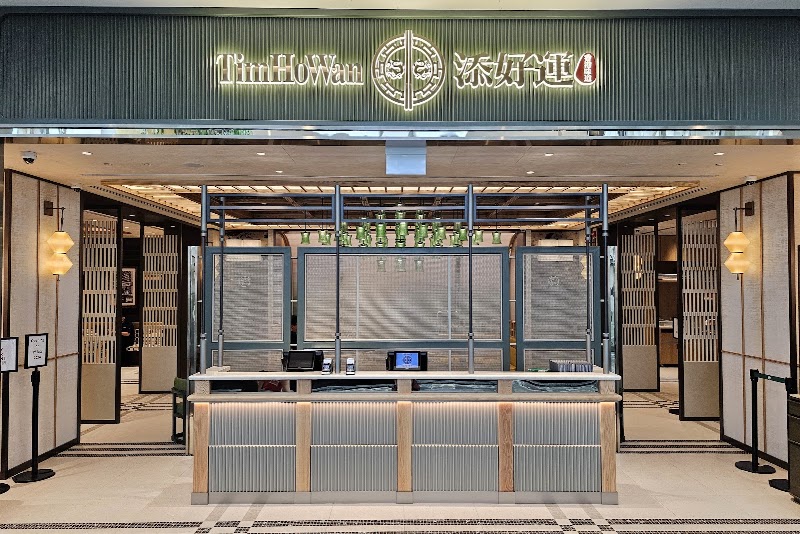
Tim Ho Wan entered the Singapore market carrying its Hong Kong Michelin star: awarded in 2010 when the original Mong Kok outlet became the cheapest Michelin-starred restaurant in the world: and has maintained the quality discipline that earned that recognition across its Singapore outlets at Plaza Singapura, Westgate, and Bedok. We ate at all three across multiple visits. The flagship item is the baked BBQ pork bun (baked char siu bao): a bun with a pastry crust that shatters under light pressure, scattering honeyed crumbs over a filling of deeply caramelised char siu pork that has a sweet-savoury intensity no steamed bun achieves. It is, objectively, one of the finest individual dim sum items available in Singapore at any price point.
The har gao is the technical standard we used to benchmark every other restaurant on this list. We ordered it here first. The skin is consistently thin: thin enough to be translucent against the prawn filling: and holds its structure through chopstick handling without tearing at the pleats. The prawn filling is tightly packed, properly springy from correct salting, and tastes clean and fresh. The siu mai is equally precise: pork and prawn in the correct ratio, the skin neither thick nor fragile, the filling firm without being dense. We also ordered the steamed egg cake (ma lai gao), the turnip cake, and the steamed rice rolls with char siu: all executed at a level that comparable price-point competitors cannot consistently match. At SGD 20–35 per person, Tim Ho Wan offers the most compelling value proposition in Singapore dim sum.
📍 Address: Plaza Singapura, 68 Orchard Rd #B1-52A, Singapore 238839
📞 Phone: +65 6884 6300
"I have eaten dim sum in Hong Kong, Guangzhou, and across Singapore for twenty years. Tim Ho Wan's baked char siu bao is the single best thing I have eaten in any dim sum restaurant anywhere. The har gao skin is better than most hotel restaurants at three times the price. The fact that it is Michelin-starred and still costs less than a hawker meal is the most remarkable thing happening in Singapore's food scene.", Raymond Chow ★★★★★
2. Yan Ting, Best Fine Dining
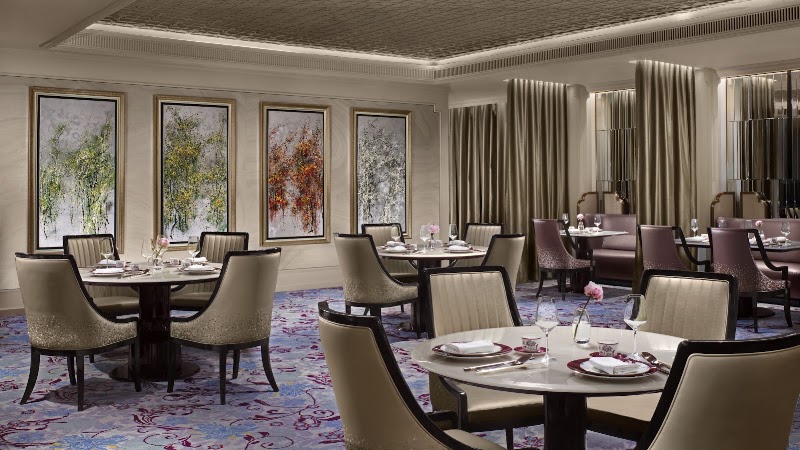
Yan Ting at the St Regis Singapore sits at the pinnacle of hotel dim sum in this city. We visited on a Saturday for yum cha service and on a Tuesday weekday, and the quality differential between the two experiences was minimal: a testament to a kitchen that applies the same discipline to a Tuesday lunch as to a fully-booked weekend trolley service. The dining room is the most considered on this list: high ceilings, deep banquettes, natural light, and a service team that navigates the trolleys with a precision that recalls the ceremony of traditional Cantonese yum cha rather than the functional efficiency of a busy hawker centre.
We ordered the har gao and found the skin measurably thinner than at Tim Ho Wan: almost gossamer, with a slight elasticity that stretches before yielding: and the prawn filling notably sweeter from what is evidently a higher-quality prawn source. The pan-fried radish cake has a crust of genuine crispness over a soft, flavourful interior with detectable lap cheong and dried shrimp. The egg tarts: served warm: have a pastry that crumbles into buttery shards over a custard that is silky and barely set, with a clean egg flavour that the convenience equivalents at lesser venues cannot approach. Weekend yum cha at Yan Ting requires reservations made weeks in advance, particularly for groups of six or more. For a birthday, anniversary, or any occasion warranting fine dining treatment of a Cantonese meal, Yan Ting is the clear recommendation in Singapore.
📍 Address: The St. Regis Singapore, 29 Tanglin Rd, Singapore 247911
📞 Phone: +65 6506 6887
🌐 Website: stregissingapore.com
"Yan Ting is the restaurant I bring clients when I want to demonstrate that Singapore's Cantonese dining competes with Hong Kong. The har gao skin is impeccable, the prawn quality is immediately apparent, and the service is the kind that reads the table and anticipates rather than merely responds. Weekend yum cha here is one of the best meals available in Singapore at any cuisine.", Angela Soh ★★★★★
3. Dragon Phoenix Restaurant, Best Heritage
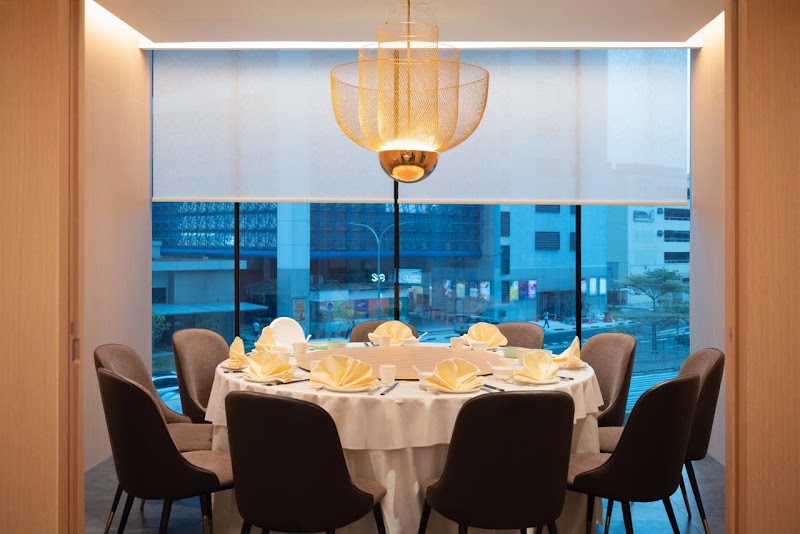
Dragon Phoenix Restaurant, operating from within the Novotel Clarke Quay since 1958, is Singapore's oldest Cantonese restaurant still serving the traditional dim sum repertoire without significant modernisation. That longevity is not a marketing claim: the kitchen prepares dim sum using methods and recipes that have been in continuous use across seven decades, and the result is a roster of dishes that tastes distinctly different from the hotel restaurants that came after. The har gao here is made to a slightly thicker skin than the current trend for gossamer-thin wrappers, but it has a chewiness and structural integrity that many diners: particularly those who grew up eating traditional Cantonese dim sum: find more satisfying than the technically thinner alternatives.
We ordered the speciality steamed chicken feet in black bean sauce and found it to be the best version of the dish on this list: the skin is collagenous and yielding without being overly soft, the black bean seasoning applied with a measured restraint that lets the collagen and the bean character both register. The char siu cheung fun: steamed rice rolls with BBQ pork: uses an older style of rice roll batter that produces a slightly thicker, more opaque roll than the contemporary style, with a texture that holds up against the dark soy and sesame oil in the way the more delicate modern versions cannot. Dragon Phoenix is not the technically flashiest dim sum restaurant in Singapore. It is the most authentic expression of traditional Cantonese yum cha that this city has preserved.
📍 Address: Novotel Singapore Clarke Quay, 177A River Valley Rd, Singapore 179031
📞 Phone: +65 6337 0451
"Dragon Phoenix has been here longer than most of Singapore's hotels and it shows in the best possible way. The food tastes like my grandmother's kitchen: not in the nostalgic, imprecise way that phrase usually means, but literally: the chicken feet are made the same way, the har gao has the correct chewiness, the soy sauce used in the cheung fun is properly dark and thick. There is no other restaurant in Singapore that maintains this tradition with this fidelity.", Henry Tan ★★★★★
4. Shang Palace, Best Hotel Yum Cha
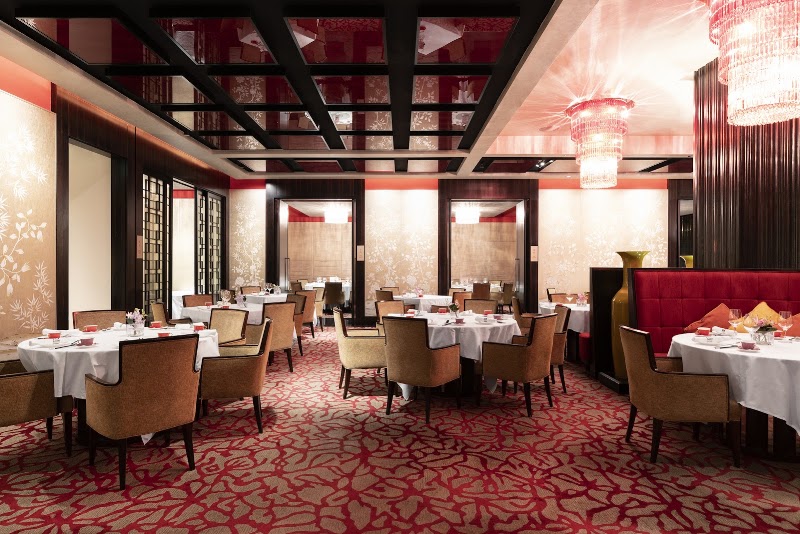
Shang Palace at the Shangri-La Singapore is the hotel yum cha institution that Singapore's Cantonese dining community has relied upon for decades. The dining room: rich timber panelling, ceiling lanterns, white tablecloths: is the archetype of the classic Chinese hotel restaurant, and the weekend dim sum service operates at a scale and organisation that smaller venues cannot replicate: trolleys circulating on a schedule, a kitchen producing at volume without the quality degradation that high-volume production typically introduces. We attended weekend yum cha service across two visits and found the execution remarkably consistent across both.
The prawn cheung fun is the standout item: a delicate steamed rice roll filled with large, springy prawns, served with a house soy blend that is sweeter and more complex than the commercial alternatives used elsewhere. The lo mai gai: glutinous rice parcels steamed in lotus leaf with chicken, lap cheong, and dried mushroom: is one of the better versions on this list: the rice is sticky but not stodgy, the filling generous, and the lotus leaf imparts a clear floral note that completes the aroma of the dish. The egg tarts arrive in fluted pastry shells with a custard that wobbles visibly when the plate is moved: correctly barely set and tasting of fresh egg over a clean sweetness. Weekend yum cha at Shang Palace is a reliable, accomplished, and satisfying experience at SGD 55–80 per person.
📍 Address: Shangri-La Singapore, 22 Orange Grove Rd, Singapore 258350
📞 Phone: +65 6213 4398
🌐 Website: shangri-la.com
"Shang Palace is where my family has gone for dim sum on birthdays and Chinese New Year for as long as I can remember. The quality has not slipped. The prawn cheung fun is the best I have eaten at a hotel, the lo mai gai is correctly made, and the setting is exactly what a proper yum cha occasion should feel like. Booking is essential on weekends but the meal is worth planning around.", Melissa Goh ★★★★★
5. Tong Le Private Dining, Best Private Club
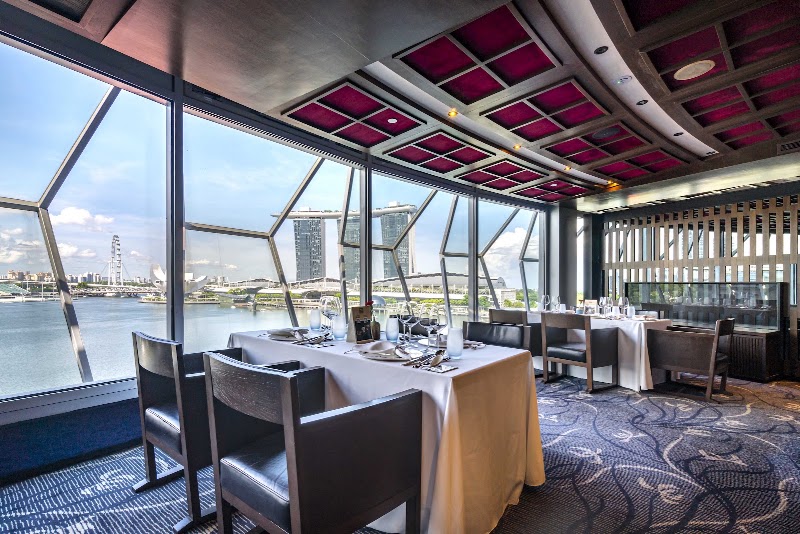
Tong Le Private Dining, occupying the 33rd floor of OUB Centre in the heart of the CBD, operates on a model that is unusual in Singapore's dim sum landscape: a private club-style restaurant where the quality of the food matches the exclusivity of the setting. We were invited to visit for a weekend dim sum lunch and found the kitchen operating at a level that rivals Yan Ting and Shang Palace for technical precision, with the additional advantage of a view: the panoramic city outlook from the 33rd floor is unlike anything available at a ground-floor restaurant.
The dim sum at Tong Le reflects the private dining context: every item we ordered was executed with a care that suggested a kitchen working at well below its physical capacity, taking time with each dish that a high-volume hotel trolley operation cannot allocate. The siu mai arrived with a topping of roe that was not decoration but flavour: the salted fish roe adding a brine note that lifted the pork and prawn filling. The har gao skin was thin and correctly elastic, the filling dense with fresh prawn. The baked char siu bao, while not matching Tim Ho Wan's benchmark at this single item, was among the better versions on this list: pastry appropriately laminated, filling properly caramelised. For corporate dim sum lunches, private celebrations, or any occasion requiring the combination of impeccable food quality and an impressive setting, Tong Le is the recommendation.
📍 Address: OUB Centre, 6 Battery Rd #33-01, Singapore 049909
📞 Phone: +65 6636 0660
"Tong Le is where I bring clients when the meeting is important enough to require an environment that reflects the seriousness of the conversation. The dim sum is genuinely excellent: I have eaten at every hotel restaurant on this list and Tong Le's kitchen competes with all of them. The siu mai with roe is a dish I think about between visits. The view is simply the best private dining room view in Singapore.", David Lim ★★★★★
6. Imperial Treasure Super Peking Duck, Best Steamed Dim Sum
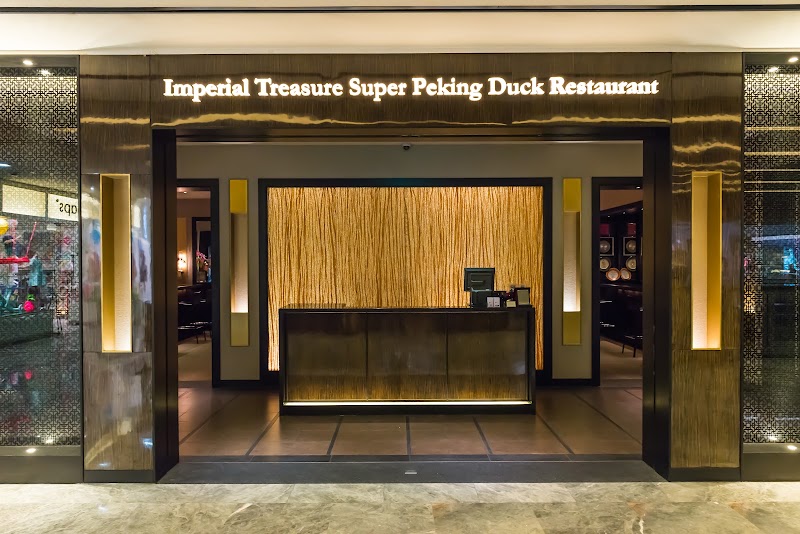
Imperial Treasure Super Peking Duck is primarily known: as the name makes explicit: for its duck preparations. But the steamed dim sum served alongside the Peking duck set menus and during weekend yum cha service is among the most technically proficient in Singapore, produced by a kitchen that brings the same precision to its dumplings as to its roasting. We ordered dim sum across two lunch visits, focusing specifically on the items that reveal the most about a kitchen's technique.
The har gao here is made with a skin that is consistently thinner than at Dragon Phoenix but thicker than at Yan Ting: a middle position that satisfies both the structural reliability required for chopstick handling and the delicacy that the best dim sum achieves. The phoenix prawn dumpling: a house specialty with a butterfly-shaped wrapper enclosing a filling of whole prawn and minced pork: is a showpiece item that delivers on its visual promise: the filling is generously seasoned and the wrapper construction, though showy, does not compromise the structural integrity. The steamed glutinous rice in lotus leaf is consistently the most generously filled lo mai gai on this list. For diners who visit primarily for the Peking duck and want dim sum that is worth ordering deliberately rather than as a secondary consideration, Imperial Treasure Super Peking Duck delivers both.
📍 Address: Pacific Plaza, 9 Scotts Rd #02-03/05, Singapore 228210
📞 Phone: +65 6732 7838
🌐 Website: imperialtreasure.com
"I came to Imperial Treasure for the Peking duck and ended up ordering half the dim sum menu. The har gao is the correct shape and the correct skin thickness: you can feel the prawn through the wrapper when you pick it up. The lo mai gai is the most generously filled I have eaten. A restaurant that does Peking duck and dim sum both at this standard is genuinely unusual.", Susan Tan ★★★★★
7. Swatow Seafood Restaurant, Best Local Institution
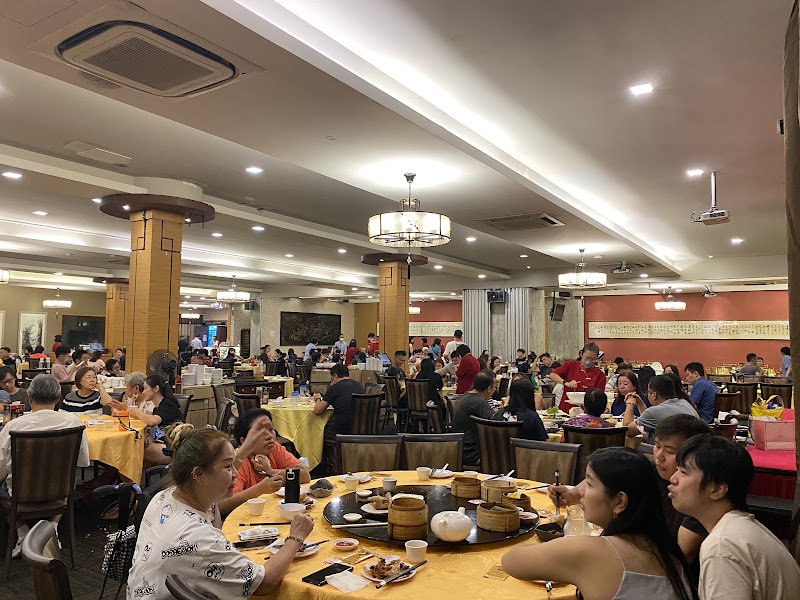
Swatow Seafood Restaurant on Upper Thomson Road is the kind of local institution that Singapore's food culture depends upon but rarely documents properly: a restaurant without hotel backing or a marketing budget, sustained entirely by a neighbourhood clientele that has been returning for decades because the quality is reliable and the har gao is, on any given morning, among the freshest in Singapore. We visited on three separate Saturday mornings and found a consistent operation: the kitchen opening early, the har gao steaming visibly from the first hour of service, and a dining room that fills with a regularity that reflects genuine local loyalty rather than tourist traffic.
The har gao and siu mai at Swatow are the best among non-hotel restaurants on this list in terms of filling freshness. The prawn in the har gao is notably sweet: a freshness that the best hotel kitchens achieve but that neighbourhood restaurants rarely sustain across a full service. The siu mai skin is thin and yielding, the pork and prawn filling correctly seasoned and tightly packed. The cheung fun with char siu is prepared in the traditional style, with a batter that produces a more opaque roll than the contemporary thin style: satisfying in the way that heritage preparations consistently are. Swatow does not offer the breadth of an Imperial Treasure or the elegance of Yan Ting, but for the core dim sum items: the ones that define the standard: it is among the most honest and freshest restaurants in Singapore.
📍 Address: 294 Upper Thomson Rd, Singapore 574414
📞 Phone: +65 6453 0718
"Swatow's har gao is the freshest I have eaten outside of a hotel dim sum restaurant in Singapore. The prawn is sweet and properly springy: you can tell they are working with fresh seafood rather than frozen. The siu mai is equally good. This is the neighbourhood dim sum restaurant that Upper Thomson has always deserved and I eat here every weekend I am in the area.", Peter Ng ★★★★★
8. Crystal Jade Kitchen, Best Reliable Chain
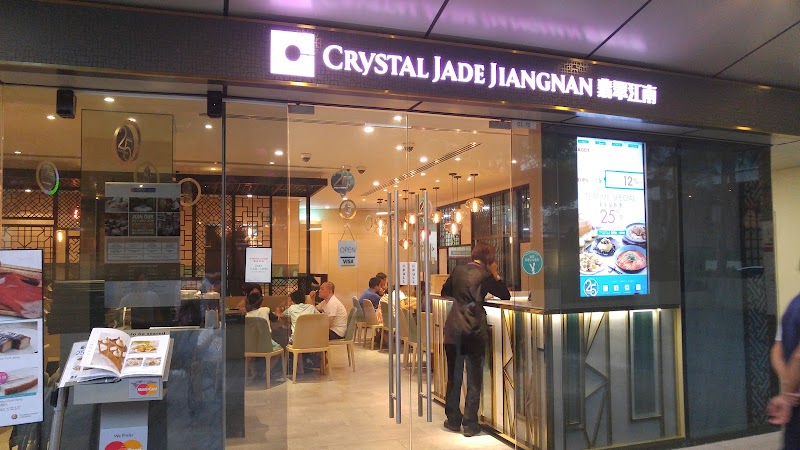
Crystal Jade Kitchen, with outlets across Singapore including Ngee Ann City, Vivocity, and AMK Hub, is the most widely accessible mid-tier dim sum chain on the island and the one that has best maintained quality across scale. We ate at three outlets across this assessment and found a consistency that most multi-outlet operations cannot achieve for technique-sensitive items: the har gao skin does not vary meaningfully between outlets, the siu mai filling is uniformly seasoned, and the egg tarts arrive warm at every location tested. For a chain serving thousands of covers daily across multiple sites, that consistency is a genuine achievement.
The menu at Crystal Jade Kitchen is the broadest on this list at the mid-tier price point: a full spread of steamed dumplings, rice rolls, baked items, turnip cakes, and desserts that gives a table the full yum cha repertoire without requiring a hotel booking. The xiao long bao, while not the restaurant's primary speciality, is competently made: thin-skinned with an adequate soup volume and a balanced pork filling. The char siu bao (steamed version) is better than the chain average, with a fluffy bun and a filling that is more generously applied than at comparable chains. Crystal Jade Kitchen is not where you go for a singular dim sum experience that rivals Tim Ho Wan or Yan Ting: it is where you go when you want reliably good, full-repertoire dim sum accessible from almost any part of Singapore.
📍 Address: Ngee Ann City, 391 Orchard Rd #B1-20, Singapore 238873 (one of many outlets)
📞 Phone: +65 6735 2388
🌐 Website: crystaljade.com
"Crystal Jade is the answer when I want dim sum and I am not near Tim Ho Wan or a hotel restaurant. The har gao is consistently made: I have never had a bad one at any outlet: the siu mai is reliably seasoned, and the egg tarts are always warm. For a chain, that reliability is worth a lot. I eat here at least twice a month and I have done so for years without a disappointment serious enough to make me stop.", Jenny Loh ★★★★★
9. Wah Lok Cantonese Restaurant, Best Quiet Setting
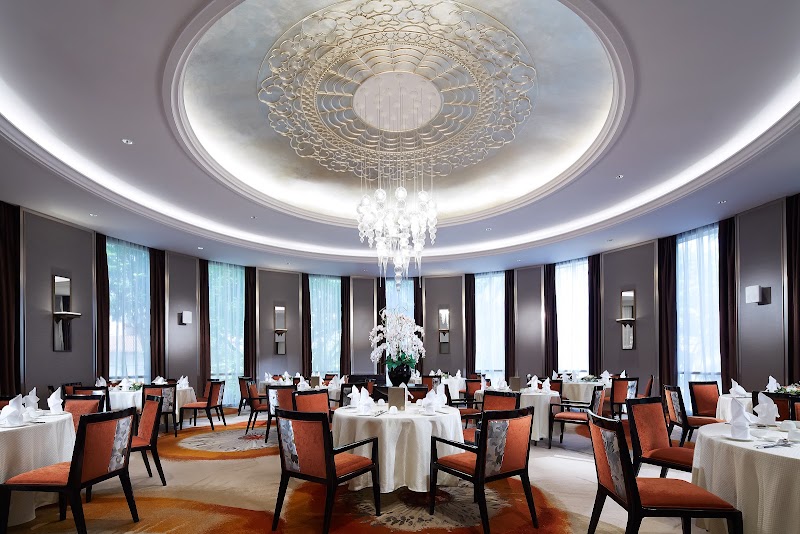
Wah Lok Cantonese Restaurant at Carlton Hotel in the Bras Basah corridor has maintained a reputation for reliable Cantonese dim sum since the hotel's establishment, serving a clientele that prizes consistency, calm, and proximity to the City Hall and Museum District over the more ostentatious hotel dining experiences at Orchard or Marina Bay. We visited on two weekday mornings and found a dining room that was noticeably quieter than comparable hotel dim sum venues: table spacing is generous, service is unhurried, and the overall atmosphere is more conducive to conversation than the animated weekend trolley service that defines the more popular hotel restaurants.
The dim sum quality at Wah Lok is solid and reliably executed without reaching the heights of Yan Ting or Shang Palace. The har gao skin is consistently thin and the prawn filling fresh; the siu mai is correctly made with a pork-and-prawn ratio that favours neither ingredient over the other. The steamed egg custard bun (custard lau sha bao) is the standout item: a steamed bun with a flowing salted egg yolk custard filling that, when produced correctly, spurts a warm, sweet-savoury liquid at the first bite. Wah Lok's version is properly executed: the custard is loose enough to flow on a bite rather than set solid, and the salted egg character is discernible without being overwhelming. For a business lunch in the CBD requiring a hotel setting and reliable dim sum without the weekend booking challenge of Shang Palace, Wah Lok is the practical recommendation.
📍 Address: Carlton Hotel Singapore, 76 Bras Basah Rd, Singapore 189558
📞 Phone: +65 6311 8188
🌐 Website: carltonhotel.sg
"Wah Lok is where I go when I want hotel-standard dim sum without the noise and the Saturday queue. The dining room is calm, the service is attentive without being theatrical, and the food is consistently good. The custard lau sha bao is the best version I have eaten in Singapore outside of Hong Kong: the custard is properly liquid and the salted egg flavour is exactly right.", Cecilia Tan ★★★★★
10. One Dim Sum, Best Value
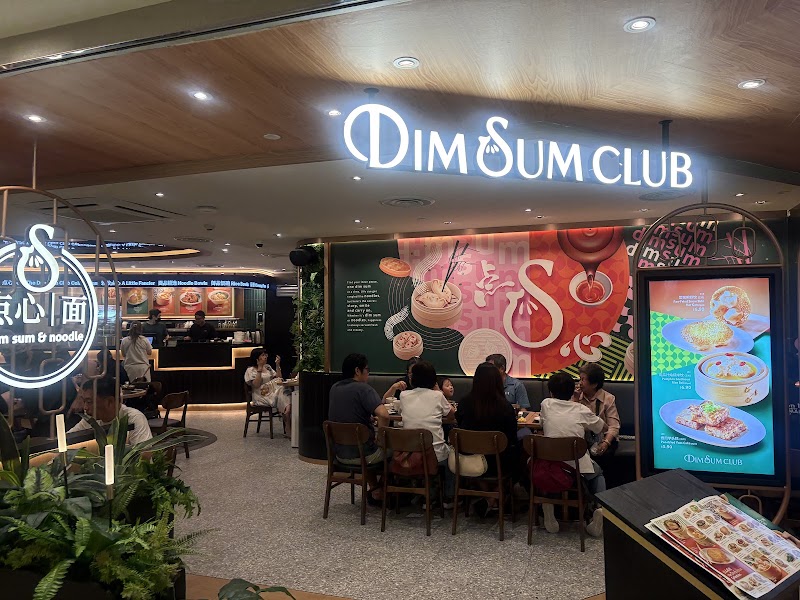
One Dim Sum on Prince Edward Road is the best value proposition in Singapore dim sum and has been accumulating a devoted following that now generates queues on both weekday mornings and weekend brunch service. We visited on a Wednesday morning and a Saturday and found a kitchen producing har gao, siu mai, and cheung fun at a standard that would be creditable at three times the price: thin-skinned dumplings with generously filled, fresh-tasting interiors, served in a no-frills shophouse setting that has not invested in decor precisely because it does not need to. The quality is the reason the queue forms.
The har gao here produces a prawn filling that is notably sweet and fresh for the price tier: One Dim Sum sources its seafood with an attention to quality that the kitchen's unpretentious setting does not telegraph. The char siu bao (steamed) has a soft, cottony bun with a filling that is generously char siu and minimally filler: a ratio inversion from the standard at similarly priced competitors. The turnip cake is pan-fried to a proper crust with a soft, flavour-dense interior showing visible lap cheong and dried shrimp. At SGD 15–25 per person for a full dim sum spread that competes with mid-tier hotel restaurants, One Dim Sum represents the kind of value that Singapore's food culture, at its best, regularly produces. Arrive early or expect to queue.
📍 Address: 28 Prince Edward Rd, Singapore 088762
📞 Phone: +65 6222 0855
"One Dim Sum is the most surprised I have been by a restaurant in Singapore in years. The har gao is better than at most restaurants charging twice the price: properly thin skin, fresh sweet prawn, correctly pleated. The siu mai is generous and properly made. I brought a colleague visiting from Hong Kong and she spent the entire meal asking how this restaurant exists at this price. I had no answer. Just go.", William Ho ★★★★★
How They Compare
| Restaurant | Rating | Setting | Signature Dish | Price Range | Location |
|---|---|---|---|---|---|
| Tim Ho Wan | 4.3 ★ | Casual Dining | Baked Char Siu Bao | SGD 20–35/pax | Plaza Singapura / Multiple |
| Yan Ting | 4.4 ★ | Fine Dining | Prawn Har Gao | SGD 60–120/pax | St Regis Hotel, Tanglin |
| Dragon Phoenix Restaurant | 4.1 ★ | Heritage Rest. | Chicken Feet Black Bean | SGD 30–50/pax | Novotel, Clarke Quay |
| Shang Palace | 4.3 ★ | Hotel Fine Dining | Prawn Cheung Fun | SGD 55–80/pax | Shangri-La, Orange Grove |
| Tong Le Private Dining | 4.4 ★ | Private Club | Siu Mai with Roe | SGD 70–120/pax | OUB Centre, CBD |
| Imperial Treasure Super Peking Duck | 4.3 ★ | Upscale Dining | Lo Mai Gai | SGD 50–90/pax | Pacific Plaza, Scotts Rd |
| Swatow Seafood Restaurant | 4.3 ★ | Local Restaurant | Har Gao & Siu Mai | SGD 20–35/pax | Upper Thomson Road |
| Crystal Jade Kitchen | 4.2 ★ | Restaurant Chain | Char Siu Bao | SGD 25–40/pax | Multiple outlets |
| Wah Lok Cantonese Restaurant | 4.2 ★ | Hotel Dining | Custard Lau Sha Bao | SGD 40–65/pax | Carlton Hotel, Bras Basah |
| One Dim Sum | 4.4 ★ | Neighbourhood | Har Gao & Turnip Cake | SGD 15–25/pax | Prince Edward Road |
The Dim Sum Checklist: 8 Dishes to Judge Any Yum Cha By
Across our testing of 30-plus restaurants, we identified eight dishes that function as diagnostic tools for evaluating a dim sum kitchen's overall standard. Order these eight items on your first visit to any new restaurant and you will have a reliable picture of what the kitchen can and cannot do.
Har Gao (Steamed Prawn Dumpling). The canonical dim sum test. A correctly made har gao has a skin thin enough to show the prawn filling through the wrapper, with enough structural integrity to survive chopstick handling without tearing at the pleats. The filling should be predominantly fresh prawn, tightly packed, and springy from correct salting. A soft, mushy filling indicates frozen prawn or incorrect preparation. A thick, opaque skin indicates a kitchen cutting corners on technique. We ordered har gao at every restaurant on this list.
Siu Mai (Pork and Prawn Dumpling). The open-topped dumpling reveals the filling quality without the skin as a buffer. The pork-to-prawn ratio should favour neither ingredient, and the filling should have a firmness from correct mixing: not dense or rubbery, but holding its shape under chopstick pressure. The skin should be thin and translucent, tightly gathered around the filling.
Char Siu Bao (BBQ Pork Bun, steamed or baked). The steamed version tests a kitchen's bun dough and filling balance; the baked version tests pastry technique and the quality of the char siu. Tim Ho Wan's baked version is the island's benchmark. A good steamed version should have a soft, slightly fluffy bun that splits at the crown into the characteristic three-leaf opening, with a filling that is sweet, savoury, and generously applied.
Egg Tart. The egg tart distinguishes kitchens that bake from those that reheat. A properly made egg tart: whether in the Cantonese flaky pastry or the Portuguese-influenced buttery shell: should arrive warm, with a custard that wobbles when the plate moves. The custard should be barely set, tasting of fresh egg over a clean sweetness. Cold, rubbery custard in a pale, soft shell is the mark of pre-baking and reheating.
Cheung Fun (Rice Noodle Roll). The steamed rice roll is the most temperature-sensitive item in dim sum: it should be served immediately after steaming and deteriorates rapidly. A good cheung fun has a thin, translucent wrapper with a silky smoothness that is incompatible with sitting on a trolley for extended periods. The filling (char siu, prawn, or plain) should be generously applied. The accompanying soy sauce should be house-made and balanced.
Lo Mai Gai (Glutinous Rice in Lotus Leaf). A correctly made lo mai gai should have rice that is sticky but not stodgy, with individual grains still discernible within the glutinous texture. The lotus leaf should impart a floral, slightly smoky aroma that penetrates the rice. The filling: typically chicken, lap cheong, dried mushroom, and salted egg yolk: should be generous and properly seasoned. Under-filling is the most common failure.
Turnip Cake (Chai Tow Kway / Lo Bak Go). The pan-fried turnip cake is a textural test: the exterior should have a genuine crust from proper pan-frying, not a pale, soft surface from light searing. The interior should be soft and flavourful, with visible pieces of dried shrimp and lap cheong that contribute texture and flavour throughout rather than being concentrated at the surface.
Pineapple Bun (Bolo Bao). A dim sum sweet that distinguishes bakeries from kitchens: the pineapple bun (so named for the crinkled, sugar-glazed crust that resembles a pineapple's surface, not for any pineapple content) should have a crust that is crisp and sweet at room temperature and yields to a soft, pillowy interior. Served warm, the crust should be fractionally more yielding with the same sweetness. Order it with butter for the classic Hong Kong preparation.
Weekend Yum Cha vs Weekday Dim Sum: What's Different?
The distinction between weekend yum cha and weekday dim sum is more significant than a scheduling question: it is a different eating experience, shaped by different kitchen operations, different menus, and a different social context.
Weekend yum cha at hotel restaurants like Yan Ting and Shang Palace operates with a full trolley service: carts circulating the dining room stacked with bamboo steamers, with a kitchen producing at its maximum volume to supply them. The trolley format means dishes arrive at the table hot and fresh without a separate ordering process, and the social rhythm of waving down trolleys: selecting items as they appear, building a spread across the table over the course of an hour: is inseparable from what yum cha means. Weekend service also typically operates an extended menu with seasonal and premium items not available on weekdays. The cost of this experience reflects the volume and logistics involved: hotel weekend yum cha typically runs SGD 55–120 per person.
Weekday dim sum at the same restaurants is a quieter, more considered experience. The trolley service may be reduced or replaced by an à la carte menu; the dining room has space; service has the bandwidth to be more attentive. Kitchens sometimes perform more consistently on weekdays when they are not producing at the volume capacity that weekend service demands. At Tim Ho Wan and Crystal Jade Kitchen, weekday lunches are often the best time to visit: shorter queues, faster service, and kitchen conditions that allow more precise execution of individual items.
At neighbourhood restaurants like One Dim Sum and Swatow, the distinction is primarily one of queue length: the food quality is similar across the week, but Saturday and Sunday mornings generate queues that do not exist on Tuesday. Weekday visits to these restaurants offer effectively the same food in a fraction of the time.
The practical guidance: book hotel restaurants for weekend yum cha if the ceremony and full-menu experience matter; visit neighbourhood restaurants on weekdays if the food quality is the primary goal.
Want to be featured?
Get your business listed as a top pick and reach thousands of Singapore customers actively searching for your services.
Frequently Asked Questions
What is dim sum?
Dim sum (點心, diǎn xīn) is a Cantonese culinary tradition comprising small portions of food: dumplings, buns, rice rolls, pastries, and more: served in bamboo steamers or on small plates alongside tea. The Cantonese term yum cha (飲茶, yǐn chá), meaning "drink tea", describes the broader ritual of dining on dim sum with tea service, traditionally a late-morning or brunch meal. Dim sum originated in Guangdong province, China, and spread across Southeast Asia with the Cantonese diaspora. Singapore's dim sum scene reflects both the Cantonese heritage of a significant portion of the Chinese population and decades of refinement across hotel restaurants, neighbourhood institutions, and international chains.
What is the best dim sum in Singapore?
Tim Ho Wan is the best dim sum in Singapore for quality relative to price, with Michelin-starred baked BBQ pork buns and technically precise har gao and siu mai available for SGD 20–35 per person. For fine dining dim sum, Yan Ting at the St Regis is the top recommendation: the most elegantly executed yum cha in Singapore with the most impressive dining room on this list. For heritage Cantonese dim sum, Dragon Phoenix Restaurant at Clarke Quay has been operating since 1958 and remains the most authentic expression of traditional yum cha in the city.
How much does dim sum cost in Singapore?
Dim sum pricing in Singapore spans a wide range. At budget-friendly neighbourhood restaurants like One Dim Sum, a full spread costs SGD 15–25 per person. Mid-tier chains like Crystal Jade Kitchen run SGD 25–40 per person. Tim Ho Wan, despite its Michelin star, sits in the SGD 20–35 range due to its casual format. Hotel restaurants like Shang Palace and Yan Ting charge SGD 55–120 per person for weekend yum cha service including tea. Private dining at Tong Le runs SGD 70–120 per person.
Do I need to book for dim sum in Singapore?
Reservations are essential for hotel dim sum restaurants on weekends. Yan Ting, Shang Palace, Imperial Treasure, and Wah Lok all require booking for Saturday and Sunday yum cha service, often weeks in advance during festive periods. Weekday lunches at hotel restaurants typically accept same-day bookings. Tim Ho Wan, One Dim Sum, Crystal Jade Kitchen, and Swatow do not take reservations; these operate on a queue system. Arriving 15–30 minutes before opening is the best strategy for avoiding long waits at popular no-reservation venues.
What time does yum cha service end?
Weekend yum cha service at hotel restaurants like Yan Ting and Shang Palace typically runs from 11:30am to 3pm, with the last seating at 1:30pm or 2pm. Some hotels extend service to 2:30pm on Sundays. Weekday dim sum service at hotels usually runs 11:30am to 2:30pm. Neighbourhood restaurants like Swatow and One Dim Sum open earlier: often from 9am or 10am: and serve dim sum through to 2:30pm or 3pm, with popular items like har gao sometimes selling out before noon on busy days. Tim Ho Wan operates restaurant hours rather than a traditional yum cha service window, with dim sum available from 10am to 10pm at most outlets.
Verdict
Singapore's dim sum scene in 2026 is as strong as it has ever been. Tim Ho Wan remains the most remarkable single restaurant on this list: a Michelin-starred kitchen accessible to anyone with SGD 25 and the patience to queue, producing baked BBQ pork buns and har gao that compete with fine dining preparations at a fraction of the cost. For the full traditional yum cha experience, Yan Ting at the St Regis is Singapore's finest: impeccable technique, the most elegant dining room on the island for Chinese food, and a kitchen that executes with a precision that the hotel format demands but does not always deliver. Dragon Phoenix preserves a tradition that no other restaurant in Singapore has maintained with the same fidelity since 1958: its traditional Cantonese dim sum is a direct connection to the cooking that shaped this city. One Dim Sum on Prince Edward Road is the discovery of this list: a neighbourhood restaurant producing har gao and siu mai that would be creditable at three times the price, with queues that reflect a growing local consensus. Whatever your setting, budget, or occasion: the best dim sum in Singapore is better than it has any right to be.